

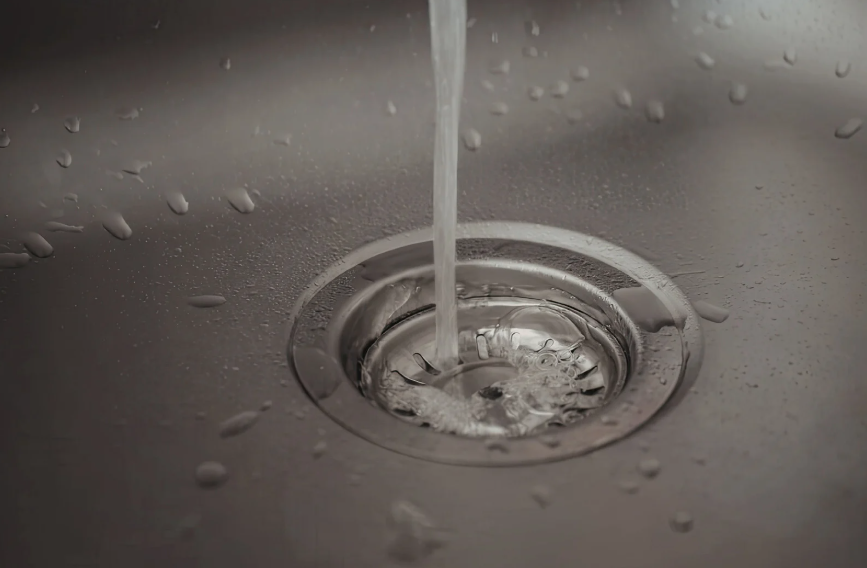
Drain problems rarely announce themselves before they become emergencies. A slow drain in your Denver Metro home is often the first sign of accumulating buildup in your plumbing system, and ignoring it can lead to full blockages, sewage backups, and costly repairs. Proactive drain maintenance is the most effective way to protect your home’s plumbing and avoid expensive emergency service calls.
Across the Denver-Boulder corridor, homeowners deal with a specific combination of hard water mineral deposits, clay soil that shifts pipes over time, and aging sewer infrastructure in older neighborhoods like Washington Park, Highlands, and Park Hill. These factors make drain care more important in Denver than in many other parts of the country.
Precision Plumbing Heating, Cooling & Electric has served Denver Metro homeowners since 1982. To schedule a drain inspection or cleaning, call (720) 464-4485 or contact us today.
What Causes Drain Clogs in Denver Metro Homes
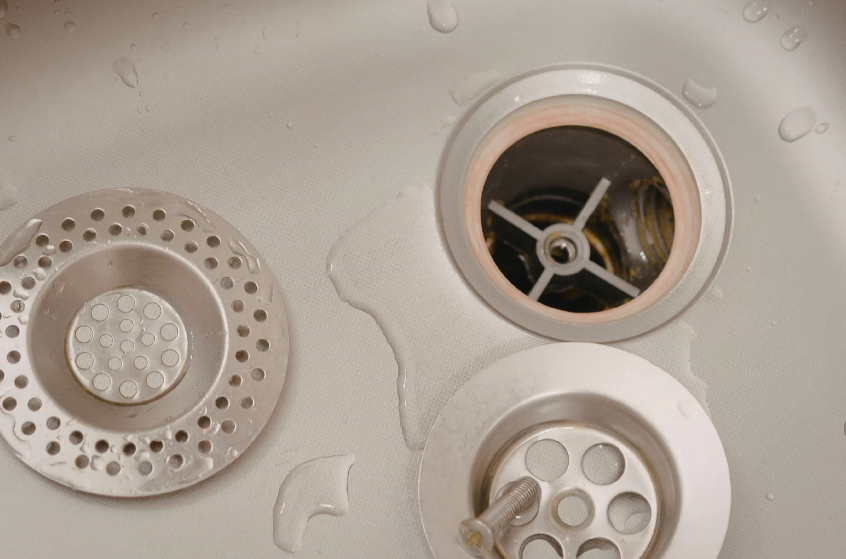
Drain clogs build up over time from a combination of everyday household activity and local environmental factors. The most common causes of drain blockages in Denver area homes include:
- Hair and soap scum: Shower and bathroom sink drains collect hair, dead skin cells, and soap residue. Over time this forms a dense mat that catches additional debris and eventually restricts flow completely.
- Grease and food waste: Kitchen drains clog from fats, oils, and food particles that solidify as they cool in the pipe. Denver’s hard water accelerates this process by binding minerals to grease deposits.
- Hard water mineral scale: Denver’s water supply comes from Rocky Mountain snowmelt and carries calcium and magnesium that deposit on the interior of pipes, narrowing the diameter over time.
- Tree root intrusion: Cottonwood, elm, and maple trees are abundant in Denver’s older residential neighborhoods. Their roots are drawn to moisture in sewer lines and can penetrate joints and cracks.
- Toilet paper and non-flushable items: Wipes, feminine hygiene products, and excessive toilet paper are among the most common causes of toilet and main line blockages.
Room-by-Room Drain Maintenance Tips

Effective drain maintenance addresses each plumbing fixture in your home on a regular schedule. Here are the most important maintenance practices by room.
Kitchen Drain Maintenance
Never pour grease, cooking oil, or fat down the kitchen drain. Collect it in a container and dispose of it in the trash. Use a basket strainer in your kitchen sink to catch food particles before they enter the drain. Run hot water for 30 seconds after each use to flush residual food and grease through the trap. Once a month, pour a mixture of baking soda followed by white vinegar down the drain, let it sit for 15 minutes, and flush with hot water.
Bathroom Drain Maintenance
Install hair catchers in all shower and bathtub drains and clean them weekly. Avoid pouring liquid medications, paint, or chemical solvents down bathroom sinks. Flush bathroom drains monthly with hot water for two to three minutes. If your bathroom drain is slow, avoid using chemical drain cleaners, which can damage older pipes and are a temporary fix at best. Professional drain clearing addresses the root cause without damaging pipes.
Toilet Maintenance
Only flush toilet paper. Wipes labeled “flushable” still cause significant clog problems in residential plumbing systems and sewer lines. Keep a wastebasket in the bathroom for all other items. If your toilet runs slowly after flushing or requires multiple flushes, have a plumber inspect the bowl and trap for partial blockages.
Laundry and Utility Drains
Install a mesh lint trap on your washing machine drain hose to capture lint before it enters the drain line. Check and clean floor drains in utility rooms, garages, and basements at least twice a year. These drains collect debris and dry out if unused, allowing sewer gases to enter through the trap.
How Often Should Denver Homeowners Schedule Professional Drain Service?
DIY maintenance keeps drains cleaner between service calls, but professional drain cleaning is necessary for thorough maintenance. Here is a general schedule based on your home’s age and use:
- Annual drain cleaning: Recommended for most Denver Metro homes, particularly those more than 20 years old or with large households. Annual hydro jetting or mechanical snaking removes buildup that home maintenance cannot address.
- Every 18-24 months: Appropriate for newer homes with modern plumbing and smaller households with diligent maintenance habits.
- After purchasing an older home: Always schedule a sewer line camera inspection and drain cleaning when moving into a Denver area home more than 20 years old. Legacy pipe materials and years of buildup often require immediate professional service.
Signs Your Denver Home Needs Immediate Drain Service
Some drain problems require professional attention right away. Call a licensed plumber if you notice:
- Multiple drains backing up simultaneously, which indicates a main line blockage
- Gurgling sounds from toilets or drains when water drains elsewhere in the house
- Sewage odor inside the home, particularly from floor drains or basement fixtures
- Visible sewage backup in a sink, shower, or toilet
- Slow drains in multiple rooms at the same time
These symptoms can indicate a main sewer line blockage or damage. Our plumbing services team provides emergency drain service throughout the Denver Metro area.
Denver’s Hard Water and Your Drains
Denver’s water is among the harder water supplies in the Front Range region. The calcium and magnesium in Denver’s water supply bond to the interior of pipes over time, forming scale that narrows pipe diameter and creates rough surfaces that trap additional debris. This mineral buildup is a leading contributor to slow drains in older Denver homes even after clearing visible blockages.
Water softeners and whole-house water treatment systems can reduce scale formation significantly. Ask about our water treatment options during your next service visit.
Frequently Asked Questions
Are chemical drain cleaners safe to use in Denver homes?
Chemical drain cleaners provide temporary relief but can damage PVC pipes, corrode metal fittings, and harm older clay or cast iron sewer lines. They are also hazardous if they splash back during use. For routine maintenance, stick with mechanical methods like drain snakes or professional drain clearing rather than chemical products.
How do I prevent tree roots from blocking my sewer line?
Tree root intrusion cannot be prevented entirely in older Denver neighborhoods with large trees. Annual camera inspections allow your plumber to catch early root intrusion before it becomes a full blockage. Hydro jetting can clear roots from sewer lines, and in severe cases, trenchless sewer repair or replacement may be necessary.
What is the difference between snaking and hydro jetting?
A drain snake uses a rotating cable to punch through or break apart a clog. It is fast and effective for simple blockages but does not clean the pipe walls. Hydro jetting uses high-pressure water to scour the full interior of the pipe, removing buildup, grease, and mineral scale. Hydro jetting provides a more thorough clean and longer-lasting results, particularly for recurring drain problems.
Can slow drains damage my home’s plumbing?
Yes. Slow drains place additional stress on your plumbing system and can accelerate corrosion in older pipes. More importantly, slow drains are a warning sign of buildup or blockage that will worsen over time. Addressing slow drains promptly is far less costly than waiting for a full backup.
How much does professional drain cleaning cost in the Denver area?
Basic drain snaking for a single drain varies in cost — pricing is typically in the $150 to $250 range in the Denver Metro area, and your plumber will provide an upfront estimate. Hydro jetting a main sewer line varies in cost depending on the length of the line and degree of buildup — contact Precision Plumbing for an upfront estimate. Camera inspection pricing varies — ask your technician for an upfront estimate. Precision Plumbing provides upfront pricing before beginning any service.
Does Precision Plumbing Heating, Cooling & Electric offer drain maintenance plans?
Yes. Our maintenance plan includes annual plumbing inspections and priority scheduling for drain cleaning services. Ask about our Precision Care Club when you schedule your next service call.
About Precision Plumbing Heating, Cooling & Electric
Precision Plumbing Heating, Cooling & Electric has been serving Greater Denver Area homeowners since 1982. Based in Louisville, Colorado, our licensed plumbers handle drain clearing, sewer line inspections, emergency plumbing, and complete plumbing services across more than 25 communities in the Denver-Boulder corridor. Call (720) 464-4485 or contact us to schedule a drain cleaning or inspection.