

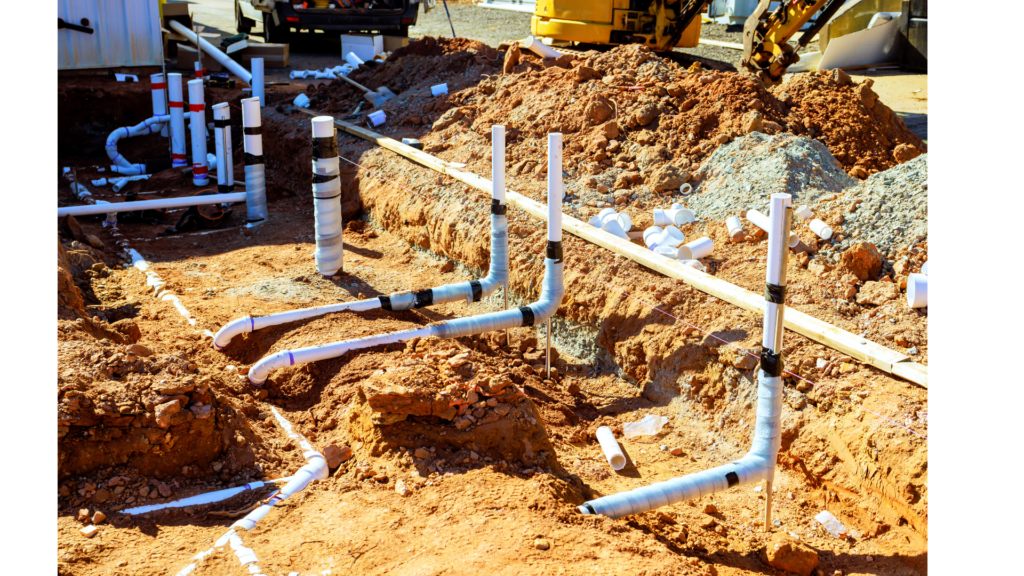
A slab leak hides where you can’t see it, under the concrete foundation your home rests on, quietly soaking soil and undermining the structure above. By the time most Denver metro homeowners notice, the water has already traveled, often into flooring, drywall, or the foundation itself. Knowing what a slab leak is, why it happens, and how to respond can save your home from serious structural damage.
Key Takeaways
- A slab leak is a water leak in the pressurized supply lines or drain lines running beneath your home’s concrete foundation.
- Common causes along the Front Range include expansive clay soils, abrasion against the slab, pipe corrosion, hard water chemistry, and aging copper or galvanized lines.
- Warning signs include unexplained water bill spikes, warm spots on the floor, the sound of running water with everything turned off, damp carpet, low water pressure, and a musty smell.
- Slab leaks require professional detection equipment such as acoustic listening devices, thermal imaging, and pressure testing to locate without tearing up the floor.
- If you suspect a slab leak, shut off the main water valve, document the signs, and call a licensed plumber immediately.
What Is a Slab Leak?
A slab leak is a leak in any plumbing line that runs beneath, or is embedded inside, the concrete foundation slab of a home. Most homes in the Denver metro area have either a slab-on-grade foundation or a basement floor slab, and copper or PEX water lines often run through or under that concrete. When one of those lines springs a leak, water has nowhere to go but into the soil beneath your home, up through the slab, or sideways into the walls.
Slab leaks fall into two categories. A pressure-side leak occurs on a hot or cold water supply line, where the pipe is constantly pressurized. These tend to leak continuously and waste large volumes of water quickly. A drain-side leak occurs on a wastewater line and only leaks when water is being used, making it harder to detect but no less damaging over time.
The term sometimes confuses homeowners because the leak is not in the slab itself. The concrete is fine. The pipe routed beneath or through it is the problem, and the slab simply traps the evidence out of sight.
What Causes Slab Leaks in Denver Metro Homes
Slab leaks rarely happen for a single reason. Several conditions common along the Front Range work together over time to weaken pipes hidden beneath the foundation.
- Expansive clay soils. Much of the Denver metro region sits on bentonite-rich clay that swells when wet and shrinks when dry. As the soil shifts under your home, it exerts pressure on the pipes running through it. Over years, that movement bends, stresses, and eventually splits supply lines.
- Abrasion against the slab. Copper pipes routed through concrete can rub against the slab as the home settles or as the pipe expands and contracts with temperature changes. A pinhole eventually wears through the copper wall, and a slow leak begins.
- Corrosion from soil and water chemistry. Denver Water is generally treated to be non-corrosive, but localized soil conditions can be acidic or contain minerals that eat away at copper from the outside. Inside the pipe, hard water deposits and electrolysis between dissimilar metals can corrode the line from within.
- Aging pipe materials. Homes built in the 1960s through the 1980s often have copper supply lines that are now approaching the end of their service life. Even older properties may still have galvanized steel beneath the slab, which is highly prone to corrosion failure.
- Construction defects. Pipes nicked during the original pour, fittings soldered improperly, or supply lines kinked at sharp angles can leak years or decades after installation.
- Freeze-thaw stress. Colorado’s swing between sub-zero winter nights and warm afternoons puts repeated thermal stress on pipes near the slab edge, especially in homes without adequate insulation around the foundation.
Warning Signs of a Slab Leak
Most slab leak signs are subtle at first. The longer they go unnoticed, the more damage accumulates. Watch for the following symptoms in your Denver metro home.
- An unexplained spike in your water bill. A pressure-side slab leak loses water continuously. If your usage has not changed but your bill has climbed sharply, a hidden leak is one of the first things to rule out.
- The sound of running water when nothing is on. Stand quietly in your home with every fixture, appliance, and toilet shut off. If you can hear water moving inside the walls or floor, water is going somewhere it should not be.
- Warm or hot spots on the floor. A ruptured hot water line beneath the slab heats the concrete above it. If a section of tile, hardwood, or carpet feels noticeably warmer than the surrounding floor, a hot supply line is likely the culprit.
- Damp carpet, warped flooring, or buckled hardwood. Water rising through the slab saturates flooring from below. You may see staining, cupping in wood, lifted tile, or simply a damp patch that never seems to dry out.
- Low or fluctuating water pressure. When pressurized water escapes through a leak before reaching your fixtures, pressure at the tap drops. If pressure has fallen without an obvious cause, the supply line beneath your slab may be losing water.
- Musty or mildew odors. Water trapped beneath flooring and inside wall cavities creates ideal conditions for mold and mildew. A persistent musty smell, particularly in one specific area of the home, is a common slab leak symptom.
- Cracks in flooring or walls. As the soil beneath the foundation softens and shifts, the slab itself can move. Hairline cracks in tile grout, drywall, or the foundation can indicate movement caused by an undetected leak.
- Pooling water outside the home. A slab leak can sometimes surface at the perimeter of the foundation, showing up as a wet patch in the yard or unusually green grass against the side of the house.
Any single sign warrants a closer look. Two or more occurring together strongly suggests it is time to schedule a professionalslab leak detection service.
How Slab Leaks Are Detected
You cannot locate a slab leak by looking at the floor. Professional detection relies on specialized equipment that pinpoints the leak without breaking up concrete unnecessarily.
A licensed plumber typically starts with a static pressure test on the water supply system. Isolating the line and watching for pressure drop confirms whether a leak exists and helps narrow down whether it is on the hot or cold side. From there, technicians use acoustic listening devices that amplify the sound of pressurized water escaping through a crack or pinhole, often locating the leak within a few inches of its actual position.
Thermal imaging cameras detect temperature differences in the slab, which is especially effective for hot water line leaks. Electronic line tracing follows the path of the buried pipe so the plumber knows exactly where to listen and where, if necessary, to make a small, targeted access cut.
For drain-side leaks, a sewer camera inspection can be sent through accessible cleanouts to visually locate cracks, breaks, or separated joints in lines beneath the slab. Combined, these methods deliver accurate leak detection without the wholesale destruction of older diagnostic methods.
What Denver Metro Homeowners Should Do Right Now
If you suspect a slab leak, time matters. Every hour a pressurized line leaks under your foundation, more soil washes out and more flooring saturates. Follow these steps.
- Shut off the main water valve. Stop the flow at the supply entering your home. This protects the foundation and limits the volume of water entering the slab area.
- Turn off the water heater. If the leak is on the hot side, cutting power or gas to the water heater prevents the unit from continuously trying to heat water that is draining away.
- Document the signs. Take photos of damp spots, warm floor areas, water bills, and any visible damage. This record helps both your plumber and, where applicable, your homeowners insurance claim.
- Avoid DIY excavation. Breaking up concrete or pulling up flooring without confirmed leak location often causes more damage than the leak itself and can complicate insurance coverage.
- Call a licensed plumber. A trained slab leak technician brings the detection tools needed to pinpoint the source and present repair options. For active flooding or rapidly worsening conditions, request emergency plumbing service.
Homeowners across Denver and the surrounding metro communities should treat any confirmed slab leak as a structural issue, not just a plumbing one. Acting quickly limits collateral damage to flooring, framing, and the foundation itself.
Slab Leak Repair Options
Once a slab leak is located, there are several ways to repair it. The right approach depends on the location of the leak, the age and condition of the rest of the plumbing system, and how accessible the pipe is.
- Spot repair. A small section of concrete is cut out directly above the leak, the damaged section of pipe is replaced, and the slab is patched. This is the least invasive option when only one isolated leak exists and the surrounding pipe is still in good condition.
- Reroute or bypass. The damaged section of pipe is abandoned in place, and a new line is run through walls, ceilings, or an attic to bypass the slab entirely. Reroutes work well when a single leak occurs on a relatively short run and the rest of the system remains sound.
- Full or partial repipe. If the plumbing system is aging, has experienced multiple leaks, or uses materials prone to ongoing failure such as old galvanized steel, a repiping installation may be the more durable solution. Replacing the supply lines throughout the home with modern PEX or copper eliminates the risk of repeated slab leaks.
A qualified plumber will walk through the trade-offs of each approach based on the specific findings, including how much of the system is at risk of similar failures.
Preventing Future Slab Leaks
You cannot fully prevent expansive soil from shifting or pipes from aging, but you can reduce the risk of slab leaks and catch problems early.
Schedule a periodic plumbing inspection, especially if your home is more than 25 years old or has copper supply lines beneath the slab. A trained plumber checks pressure, looks for early signs of corrosion at accessible points, and identifies systems nearing the end of their service life.
Watch the water pressure entering your home. Pressure above roughly 80 psi accelerates wear on every fitting, valve, and pipe in the system. A pressure-reducing valve can extend the life of slab piping considerably.
Address hard water if your home shows scale buildup on faucets and shower glass. Mineral deposits inside copper lines contribute to corrosion and pinhole leaks over time. A water softener or conditioner reduces the chemistry that drives that failure mode.
Finally, respond quickly to small leaks anywhere in the home. A leaking toilet, faucet, or shut-off valve is often a symptom of broader system stress. Routine plumbing repair on visible problems often catches conditions that would otherwise progress to a hidden slab leak.
Frequently Asked Questions
Is a slab leak an emergency?
A confirmed slab leak should be treated as an urgent issue. While a slow drain-side leak may not require same-night service, an active pressure-side leak loses gallons of water continuously and can cause significant foundation damage within days. When in doubt, shut off the main water valve and call a licensed plumber.
Will my homeowners insurance cover a slab leak?
Coverage varies widely by policy. Most homeowners insurance covers sudden and accidental water damage caused by a slab leak, including flooring and drywall repair, but typically excludes the cost of locating and repairing the pipe itself. Review your policy and contact your carrier as soon as a slab leak is confirmed.
How long does it take to fix a slab leak?
A spot repair on a single accessible leak can often be completed within one day once the leak is located. Reroutes and full repipes take longer, ranging from one to several days depending on the size of the home and the scope of work.
Can a slab leak fix itself?
No. Slab leaks do not heal. A pinhole in copper or a crack in PEX will only grow larger over time as soil shifts, water pressure works on the opening, and corrosion progresses. Ignoring the signs allows damage to accumulate.
How do I know if water in my basement is from a slab leak or something else?
Slab leaks tend to surface in the same area consistently, often near a wall or under flooring, and the water is typically clean. Sewer backups produce wastewater with a strong odor, and groundwater intrusion is usually tied to heavy rain or snowmelt. A plumber with the right detection equipment can confirm the source.
How common are slab leaks in Denver metro homes?
Common enough that most established plumbing contractors in the region handle them regularly. The combination of expansive clay soils, aging mid-century housing stock, and freeze-thaw cycles makes the Front Range a higher-risk area than many parts of the country.
Schedule Slab Leak Service With Precision Plumbing
If you suspect a slab leak in your Denver metro home, do not wait for visible damage to confirm what the early signs already suggest. Contact us to schedule professional slab leak detection, or contact us online to request service at your convenience. Our licensed technicians arrive with the tools needed to locate the leak accurately and walk you through your repair options.
About Precision Plumbing, Heating, Cooling & Electric
Precision Plumbing, Heating, Cooling & Electric serves homeowners across Denver, Boulder, and the surrounding Front Range communities with plumbing, heating, cooling, and electrical services. Our licensed plumbers specialize in slab leak detection, leak repair, and full home repipes, using the diagnostic technology required to find hidden leaks without unnecessary damage to your floors or foundation. Every job is handled by a trained technician who understands the soil, water, and home construction conditions specific to the Denver metro area.