


A properly functioning toilet is something most homeowners take for granted until problems start appearing. For Denver and Boulder area homeowners, the combination of hard water, aging plumbing systems, and heavy household use means toilets can wear out faster than in other parts of the country. Knowing when your toilet is approaching the end of its useful life can help you avoid unexpected failures and costly water damage.
Toilets are among the most durable fixtures in a home, but they are not indestructible. The porcelain bowl and tank can last 50 years or more, but the internal components such as flappers, fill valves, flush valves, and wax seals require regular maintenance and eventual replacement. In many cases, recurring repair costs signal that full toilet replacement is the smarter investment.
Precision Plumbing Heating, Cooling & Electric serves homeowners throughout the Denver-Boulder corridor. If your toilet is showing signs of age or failure, call (720) 464-4485 or contact us to schedule a toilet inspection or replacement.
How Long Do Toilets Last?
The typical lifespan of a toilet depends on what part you are asking about:
- Porcelain bowl and tank: 50 years or more with proper care. Porcelain is extremely durable and rarely needs replacement on its own.
- Internal components (flapper, fill valve, flush valve): 5 to 7 years under normal use. Hard water accelerates wear significantly.
- Wax ring seal: 20 to 30 years, though it may need replacement sooner if the toilet is rocked or the floor settles.
- Float assembly: 5 to 10 years before it may stick, corrode, or lose accuracy.
In practice, most toilets in Denver area homes that are 20 to 25 years old are candidates for replacement simply because the cumulative cost of repeated internal repairs exceeds the value of the unit. Older toilets also use significantly more water than modern models, adding to monthly utility costs.
How Colorado’s Hard Water Affects Toilet Lifespan

Denver’s water supply is moderately to significantly hard, containing elevated levels of calcium and magnesium. For toilets, this creates several specific problems:
- Mineral deposits in the tank and bowl: Calcium and magnesium build up on toilet surfaces, creating the familiar white or rust-colored rings in the bowl and crusty deposits around the rim holes. Heavy buildup restricts flush performance and permanently stains porcelain if not cleaned regularly.
- Flapper and valve degradation: Hard water mineral deposits accelerate deterioration of rubber flappers and plastic fill valves, causing them to fail sooner than their rated lifespan. A toilet that runs constantly or takes a long time to refill often shows early signs of hard water damage to these components.
- Corroded toilet bolts and connections: The bolts securing the tank to the bowl and the water supply connection can corrode faster in hard water environments, creating slow leaks that go undetected until water damage appears.
Signs Your Colorado Toilet Needs Repair or Replacement
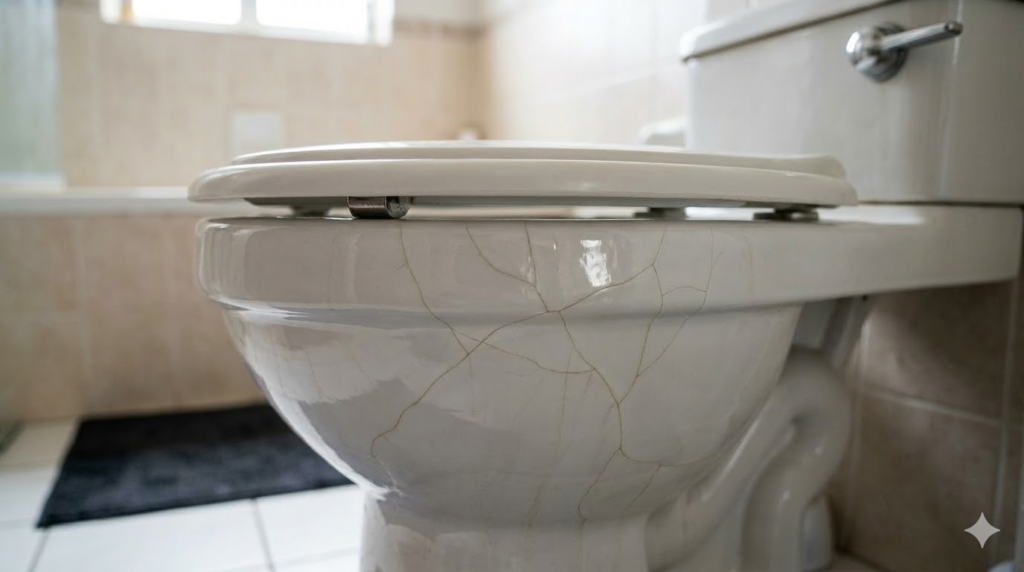
Knowing what to look for helps Denver and Boulder area homeowners act before a minor toilet issue becomes a major plumbing problem.
Constant Running
A toilet that runs continuously wastes hundreds of gallons of water per day. The cause is usually a worn flapper that no longer seals against the flush valve seat, allowing water to trickle from the tank into the bowl constantly. This is a relatively inexpensive repair. However, if you have replaced the flapper multiple times in the past few years and the problem keeps returning, the flush valve seat may be damaged and full replacement may be more practical.
Rocking or Unstable Base
A toilet that wobbles when you sit down indicates that the floor bolts have loosened, corroded, or the wax ring seal has failed. A failed wax ring allows sewer gases and, in severe cases, sewage to leak beneath the toilet. This requires immediate repair. If water damage has affected the subfloor beneath the toilet, more extensive repairs will be needed.
Cracks in the Porcelain
Hairline cracks in the bowl or tank may not cause immediate problems but will worsen over time. A crack in the tank can lead to leaking and eventually tank failure. A crack in the bowl below the waterline will leak onto the floor. If you find cracks in the porcelain, replacement is the correct solution.
Repeated Clogging
Occasional clogs are normal. But a toilet that requires plunging more than once a week has a problem. The issue may be a partial blockage deep in the trap, a low-flow design with insufficient flush pressure, or a worn-out flush mechanism. Our plumbing services team can diagnose the root cause and recommend the right solution.
High Water Bills
An undetected toilet leak is one of the most common causes of unexpectedly high water bills in Denver and Boulder area homes. Even a small, silent leak can waste 200 gallons of water per day. If your water bill has increased without a change in household habits, check your toilet first.
Outdated Flush Volume
Toilets manufactured before 1994 use 3.5 to 7 gallons per flush. Modern WaterSense-certified toilets use 1.28 gallons per flush or less. For Denver area households with older toilets, upgrading to a high-efficiency model can save 10,000 to 20,000 gallons of water annually per toilet, reducing both water and sewer bills.
When to Repair vs. Replace Your Toilet
Use this general guideline when deciding whether to repair or replace:
- Repair: The toilet is less than 10 years old and needs a single component replaced (flapper, fill valve, flush valve, or wax ring). Repair costs vary — contact Precision Plumbing for an upfront estimate.
- Replace: The toilet is more than 15 to 20 years old, has multiple failing components, has cracked porcelain, or the cumulative repair costs are approaching the price of a new unit. Replacement costs vary depending on the toilet model and installation requirements — contact Precision Plumbing for an upfront estimate.
In some cases, upgrading makes sense even for a functioning older toilet. If your home has a toilet that uses 3.5 gallons per flush or more, the long-term water savings from a modern 1.28-gallon unit will offset the replacement cost within a few years.
Toilet Replacement and Installation in the Denver-Boulder Area
Toilet replacement involves disconnecting the water supply, removing the existing unit, replacing the wax ring, setting the new toilet on the flange, securing the floor bolts, reconnecting the supply line, and testing for leaks. The process typically takes two to three hours for a licensed plumber.
When selecting a new toilet, consider dual-flush models that offer separate flush options for liquid and solid waste, elongated versus round bowls based on your bathroom dimensions, comfort height models (17 to 19 inches) for accessibility, and pressure-assisted flush technology for improved performance in older drain systems common to Denver Metro homes.
Frequently Asked Questions
How do I know if my toilet has a hidden leak?
Place a few drops of food coloring in the toilet tank. Wait 15 minutes without flushing. If the color appears in the bowl, you have a flapper leak that is silently wasting water. For leaks at the base, check for moisture or soft flooring around the toilet after each use.
Can hard water permanently damage a toilet?
Hard water mineral deposits can permanently stain porcelain if left untreated. More practically, hard water accelerates degradation of rubber and plastic internal components. Using a toilet bowl cleaner designed for hard water regularly and considering a water treatment system for your home can significantly extend toilet component life.
Is it worth repairing a 20-year-old toilet?
It depends on the repair. Replacing a flapper or fill valve on a 20-year-old toilet is inexpensive and extends its life. However, if the toilet has cracked porcelain, repeated clogs from a worn-out flush mechanism, or you are spending significantly on recurring repairs within a 12-month period, replacement is often the better investment.
How long does toilet installation take?
Standard toilet replacement takes two to three hours for a licensed plumber. If the wax ring needs replacement, the floor bolts are corroded, or there is subfloor damage, the job may take longer. Complex installations with floor repairs can take up to a full day.
What toilet brands does Precision Plumbing recommend for Colorado homes?
We commonly install Kohler, American Standard, and TOTO toilets for Denver and Boulder area clients. These brands offer durable porcelain, reliable internal components, and WaterSense certification for water efficiency. Our plumbers can recommend specific models based on your bathroom layout and usage needs.
Does Precision Plumbing Heating, Cooling & Electric offer same-day toilet repair?
Yes. We offer same-day and next-day service for toilet repairs throughout the Denver Metro and Greater Boulder areas. For emergencies such as a toilet that is overflowing or a completely failed wax ring, we prioritize same-day response. Call (720) 464-4485 to schedule service.
About Precision Plumbing Heating, Cooling & Electric
Precision Plumbing Heating, Cooling & Electric has been serving Greater Denver Area homeowners since 1982. Based in Louisville, Colorado, our licensed plumbers handle toilet repair and replacement, drain clearing, emergency plumbing, and complete plumbing services across more than 25 communities in the Denver-Boulder corridor. Call (720) 464-4485 or contact us to schedule a toilet inspection or replacement.