


A circuit breaker that keeps tripping is one of the most frustrating electrical problems for homeowners across the Greater Boulder area. Boulder County’s mix of older historic homes in neighborhoods like Mapleton Hill and newer construction in Louisville and Superior means electrical panels vary widely in age and capacity. While a single tripped breaker is often a minor inconvenience, a breaker that trips repeatedly is a warning signal that something is wrong in your home’s electrical system.
Unlike a blown fuse, a tripping breaker is a safety feature. The breaker is detecting an overcurrent condition, a ground fault, or a short circuit and cutting power to protect your wiring from overheating and potential fire. Ignoring a repeatedly tripping breaker is never safe.
Precision Plumbing Heating, Cooling & Electric serves Boulder County and surrounding communities including Louisville, Superior, Lafayette, and Longmont. If your breaker keeps tripping, call us at (720) 464-4485 or contact us for a same-day electrical inspection.
The 7 Most Common Reasons a Breaker Keeps Tripping in Boulder Area Homes
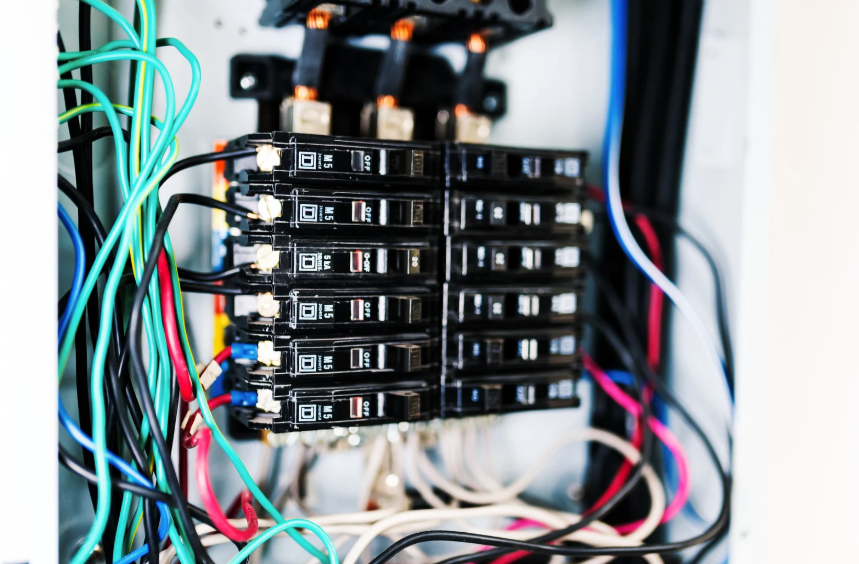
Before calling an electrician, understanding the most likely cause helps you communicate the issue accurately and know what questions to ask. Here are the seven electrical issues most commonly behind a repeatedly tripping circuit breaker in Greater Boulder homes.
1. Overloaded Circuit
The most common cause of a tripping breaker is an overloaded circuit. This happens when the combined electrical load on a single circuit exceeds its rated capacity, usually 15 or 20 amps for residential circuits. Running multiple high-draw appliances simultaneously, such as a space heater, microwave, and hair dryer on the same circuit, is a typical trigger. The solution is redistributing your appliances to different circuits or upgrading the circuit capacity.
2. Short Circuit
A short circuit occurs when a hot wire (black) contacts a neutral wire (white) or a ground wire, creating a path of very low resistance. This causes a sudden surge of current far beyond what the breaker is rated to handle, tripping it immediately. Short circuits can occur inside outlets, switches, appliances, or inside the walls from damaged wiring. They often produce a burning smell or visible scorch marks. A short circuit requires immediate professional diagnosis.
3. Ground Fault
A ground fault happens when a hot wire contacts a ground wire or a grounded surface, such as a metal outlet box or damp floor. Ground faults in bathrooms, kitchens, garages, and outdoor outlets are particularly dangerous because moisture increases the risk of shock. GFCI (Ground Fault Circuit Interrupter) outlets and breakers are designed to prevent this, but standard breakers will trip when detecting a ground fault.
4. Arc Fault
Arc faults occur when electricity jumps between conductors, often due to damaged, loose, or aging wiring. They create heat that can ignite insulation or surrounding materials. AFCI (Arc Fault Circuit Interrupter) breakers are designed to detect arc faults and trip before a fire starts. In Boulder County, AFCI protection is required for bedrooms and other living spaces in new construction and major renovations.
5. Aging or Outdated Electrical Panel
Many older homes in Boulder’s historic neighborhoods have electrical panels that are 30 to 50 years old or more. Older panels, particularly Federal Pacific Electric (FPE) Stab-Lok and Zinsco panels, have known reliability problems and may fail to trip properly under fault conditions or trip too easily under normal loads. If your Boulder area home has an aging panel, repeated tripping can be a symptom of panel degradation.
6. Appliance or Wiring Defect
A faulty appliance can cause a breaker to trip every time it is plugged in. Similarly, deteriorated wiring in older Boulder homes can develop faults that only appear under load. If a specific outlet, appliance, or room consistently triggers the breaker, the issue is localized and easier to diagnose and repair.
7. Undersized Wiring or Breaker
If a circuit was wired for a lower load than it now carries, the breaker may trip regularly under normal use. This is common in older Boulder area homes where garages, home offices, or kitchen additions were made without updating the wiring. Upgrading to appropriately sized wiring and breakers resolves the issue permanently.
When to Call a Licensed Electrician in Boulder
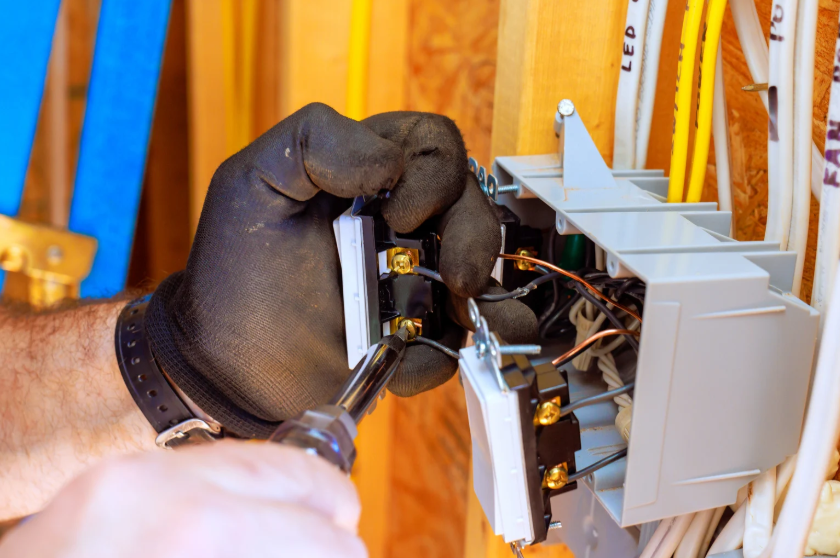
Some tripping breakers can be resolved by redistributing your appliances or unplugging a faulty device. However, you should call a licensed electrician immediately if:
- The breaker trips every time it is reset and will not stay on
- You smell burning or see discoloration around outlets, switches, or the panel
- The breaker is hot to the touch
- Multiple circuits are tripping simultaneously
- Your home has an older Federal Pacific, Zinsco, or similar outdated panel
Electrical problems left unaddressed are one of the leading causes of house fires in Colorado. The electrical services team at Precision Plumbing Heating, Cooling & Electric provides same-day electrical diagnostics and repairs for Boulder County homeowners.
Sump Pump and Whole-Home Electrical Safety
Repeated electrical issues are sometimes connected to larger problems with your home’s power system, particularly in older Boulder area homes that have been through multiple renovations. A whole-home electrical inspection can identify panel deficiencies, aging wiring, improperly grounded circuits, and other hazards before they become emergencies.
Consider pairing an electrical inspection with our HVAC services check to ensure your heating and cooling systems are not contributing to electrical overload during peak seasons.
Frequently Asked Questions
Is it safe to keep resetting a tripping breaker?
No. Repeatedly resetting a tripping breaker without identifying the cause can mask a serious electrical fault. Each reset without addressing the underlying issue allows the fault condition to continue and increases fire risk. If your breaker trips more than once after resetting, stop resetting it and call a licensed electrician.
Can I fix a tripping breaker myself?
You can try unplugging devices to reduce the load on an overloaded circuit. However, if redistributing load does not resolve the issue, or if the breaker trips without an obvious overload, the repair requires a licensed electrician. Electrical panel work and wiring repairs should never be attempted by homeowners without proper licensing and training.
How much does it cost to fix a tripping breaker in Boulder?
The cost depends on the cause. A simple circuit overload requiring only appliance redistribution costs nothing. Replacing a faulty breaker varies in cost — pricing is typically in the $150 to $300 range, and your electrician will provide an upfront estimate. Rewiring a circuit varies depending on complexity — contact Precision Plumbing for an upfront estimate. Panel replacement costs vary by panel size and complexity — your electrician will provide an upfront estimate before any work begins. Your electrician will provide a diagnosis and estimate before any work begins.
How do I know if my Boulder home has an unsafe electrical panel?
Federal Pacific Electric Stab-Lok panels and Zinsco panels are two brands with documented safety deficiencies. If your home was built between 1950 and 1990, have a licensed electrician inspect the panel and identify the manufacturer. Other warning signs include breakers that feel loose, visible corrosion, heat or burning smell from the panel box, or breakers that fail to trip during a fault.
Does Precision Plumbing Heating, Cooling & Electric offer electrical panel inspections in Boulder?
Yes. Our licensed electricians serve all of Boulder County including the City of Boulder, Louisville, Superior, Lafayette, Longmont, and surrounding areas. We perform electrical panel inspections, breaker replacement, circuit upgrades, and complete rewiring for homes of all ages and sizes.
What is an AFCI breaker and do I need one?
An AFCI (Arc Fault Circuit Interrupter) breaker detects the electrical arcing caused by damaged wiring and trips before a fire can start. Colorado’s current building code requires AFCI protection in bedrooms, living rooms, dining rooms, kitchens, and other habitable rooms in new construction and major renovations. If your home still has standard breakers in those locations, upgrading to AFCI breakers is a smart safety improvement.
About Precision Plumbing Heating, Cooling & Electric
Precision Plumbing Heating, Cooling & Electric has been serving Greater Denver and Boulder area homeowners since 1982. Based in Louisville, Colorado, our licensed electricians handle breaker replacement, panel upgrades, circuit installation, and complete electrical services across more than 25 communities in the Denver-Boulder corridor. Call (720) 464-4485 or contact us to schedule an electrical inspection.