

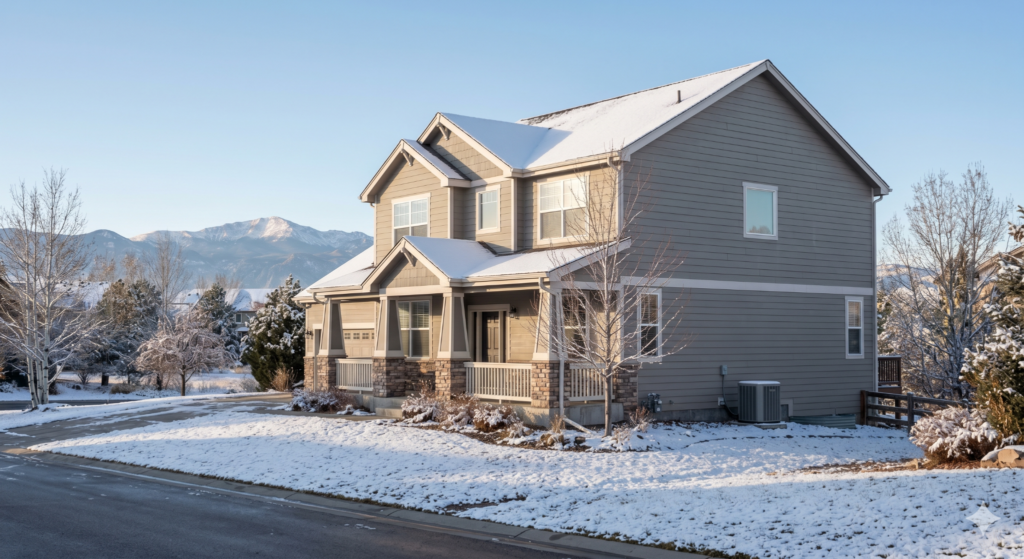
Colorado puts more stress on a home’s HVAC system than almost any climate in the country. A single week along the Front Range can swing 50 degrees, dump six inches of snow, then hit 70 by the weekend. Add the dry mountain air, wildfire smoke that drifts in through July and August, and elevation that thins the air your furnace has to combust in, and the result is an HVAC system that works harder, runs longer, and breaks down sooner than the manufacturer ever planned for.
The good news: a consistent hvac maintenance checklist built around Colorado’s four very different seasons will catch small problems before they turn into emergency repairs. The tasks below cover what to do month by month, what to handle yourself, and what to leave to a licensed technician.
Key Takeaways
- Colorado’s elevation, dry air, and freeze-thaw cycles age HVAC equipment faster than most U.S. climates, so seasonal upkeep matters more here.
- Spring and fall are the two non-negotiable professional tune-up windows, AC in spring and heating in fall, before each system carries a full load.
- Monthly homeowner tasks (filter checks, vent clearance, thermostat batteries, listening for new sounds) prevent most mid-season breakdowns.
- Indoor humidity, wildfire smoke filtration, and combustion air supply are Colorado-specific maintenance points that get missed in generic checklists.
- A documented service history protects warranties and gives the next technician a clear baseline when something goes wrong.
Why Colorado Homes Need a Season-by-Season HVAC Routine
Most HVAC manufacturers design their equipment around average sea-level conditions. Colorado breaks those averages on every front.
At 5,000 to 8,000 feet of elevation, the air is roughly 15 to 20 percent thinner, which means furnaces and water heaters need a tuned air-to-fuel ratio to combust cleanly. Equipment shipped from out of state often arrives set for sea level and runs rich until a technician adjusts it. Indoor relative humidity drops below 20 percent for weeks at a time in winter, which dries out gaskets, cracks rubber seals, and pulls moisture from the wood framing around ductwork, eventually loosening joints.
Then there’s the temperature swing. A 60-degree change in 24 hours is not unusual along the Front Range during chinook winds. Every swing expands and contracts metal heat exchangers, copper refrigerant lines, and PVC condensate piping. Multiply that by a few thousand cycles a year and the case for a steady seasonal hvac maintenance routine writes itself.
Spring HVAC Maintenance Checklist (March through May)
Spring is when your air conditioner wakes up after five months of sitting outside under snow, ice, and falling branches. Do these tasks before the first 80-degree day.
Homeowner tasks:
- Replace the indoor air filter with the correct MERV rating for your system. If you’ve never thought about MERV, the post on why MERV ratings matter walks through which rating fits which system.
- Clear at least two feet of space around the outdoor condenser. Pull out fall leaves, cottonwood seed, and any debris that drifted in over winter.
- Gently rinse the outside of the condenser coil with a garden hose, top to bottom, never pressure-washed.
- Check the condensate drain line for the indoor coil and pour a cup of distilled vinegar through the cleanout to break up algae.
- Test the thermostat in cooling mode for the first time on a warm day. The system should kick on within a minute and produce cold air within five.
- Replace thermostat batteries if your unit uses them.
Professional tasks (schedule by late April):
- Refrigerant pressure check and leak inspection.
- Electrical contactor and capacitor inspection. These are the two most common AC failure points, and both are cheap parts that get expensive when they fail mid-July.
- Blower motor amp draw test.
- Condenser coil deep cleaning if the homeowner rinse wasn’t enough.
- Full system performance check with temperature split readings across the indoor coil.
A spring tune-up from a technician handling air conditioning maintenance typically takes 60 to 90 minutes and catches the kind of problems that turn into emergency calls on the first 95-degree day.
Summer HVAC Maintenance Checklist (June through August)
Once the cooling season is in full swing, maintenance shifts to monitoring and protection.
Homeowner tasks every month:
- Check the air filter. In wildfire season especially, filters loaded with smoke particulate need swapping more often than the calendar suggests, sometimes every three to four weeks instead of every three months.
- Walk past the outdoor unit weekly during a run cycle and listen. A new buzz, rattle, or grinding noise is the system telling you something is loose, dry, or out of balance.
- Watch your thermostat. If indoor temperature drifts more than two degrees from the setpoint during normal load, something is wrong: low refrigerant, a dirty coil, a duct leak, or undersized equipment.
- Keep supply and return vents clear of furniture, rugs, and curtains. Blocked airflow shortens compressor life faster than almost any other cause.
During wildfire smoke events:
- Switch your thermostat fan from AUTO to ON for a few hours to circulate indoor air through the filter even when cooling isn’t actively running.
- Consider stepping up one MERV rating temporarily, but only if your system can handle it. Higher MERV ratings restrict airflow and can damage equipment that wasn’t designed for it.
- Keep windows closed and run the AC instead of opening up at night. Outdoor air quality in Denver and Boulder can stay hazardous well past sunset during heavy smoke periods.
Mid-summer professional touchpoint:
A quick mid-season filter and refrigerant check is worth scheduling if your system is more than 10 years old or if you noticed weak performance in June. Catching a slow refrigerant leak in July keeps the compressor alive into August.
Fall HVAC Maintenance Checklist (September through November)
Fall is the most important professional service window of the year. Carbon monoxide risk, heat exchanger cracks, and gas valve issues all show up the first time a furnace fires hard after sitting idle since April.
Homeowner tasks:
- Replace the air filter before first ignition.
- Test every carbon monoxide detector in the home. Replace the unit entirely if it’s more than seven years old, regardless of whether the test button still works.
- Remove anything stored against the furnace or near combustion air intakes. Building code typically requires 30 inches of clearance.
- Inspect outdoor flue and intake pipes for bird nests, wasp nests, and rodent damage.
- Walk through every room and confirm supply and return vents are open and unblocked after summer furniture rearranging.
- Test the heating system on a cool morning a few weeks before you actually need it. A furnace that refuses to start in late September is a much easier service call than one that quits at 11 p.m. on a 5-degree night.
Professional tasks (schedule by mid-October):
- Heat exchanger inspection with a combustion analyzer. This is the single most important reason to have a tech in your home each fall. A cracked heat exchanger can leak carbon monoxide into living space and is invisible without proper instruments.
- Gas pressure and combustion ratio adjustment, especially important at Colorado elevation.
- Ignitor, flame sensor, and burner inspection.
- Blower motor and belt service.
- Full furnace maintenance checklist walkthrough including safety controls, limit switches, and venting.
Booking furnace maintenance in September or early October avoids the rush that hits service departments the first week temperatures drop below freezing. Homeowners with a heat pump system should ask specifically for heat pump maintenance, since the service points differ from a gas furnace.
Winter HVAC Maintenance Checklist (December through February)
Winter maintenance is mostly about vigilance. The heavy work was done in fall; now the job is keeping the system running through whatever Colorado throws at it.
Homeowner tasks every month:
- Check the filter. Dry winter air pulls more dust into circulation than most homeowners realize, and a clogged filter is the number-one reason for emergency no-heat calls.
- Walk around the outside of the house after every significant snowfall. Clear snow and ice off the furnace exhaust and intake pipes, off heat pump units, and away from any outdoor fresh air vents. Blocked vents can shut down a high-efficiency furnace on safety lockout, or worse, vent combustion gases back inside.
- Watch indoor humidity. The healthy range is 30 to 40 percent in winter. Below 25 percent and you’ll see dry skin, static, cracked wood floors, and increased respiratory irritation. A whole-home humidifier or even a quality portable unit makes a noticeable difference.
- Listen for short cycling. A furnace that fires up and shuts off after 90 seconds repeatedly is overheating, usually from restricted airflow. Don’t ignore it.
- Keep the area around the indoor furnace clear of laundry, storage boxes, and chemicals.
When to call a technician mid-winter:
- The furnace runs but the house won’t reach a setpoint.
- You smell anything unusual: rotten egg (gas), burning plastic (wiring), or persistent dust burn-off past the first October startup.
- Any carbon monoxide detector alarms, even briefly.
- Visible water around the furnace or any sign of condensate backing up.
For homes that depend on a boiler instead of forced air, regular heating maintenance covers expansion tank pressure, circulator pumps, and the safety relief valve, all of which need eyes on them annually.
Monthly Tasks Every Colorado Homeowner Should Do Year-Round
A handful of habits work across every season and catch most problems early:
- Filter check on the first of every month. Hold it up to a light. If you can’t see clearly through it, replace it, regardless of how long it’s been in.
- Vent walkthrough. Confirm nothing is blocking supply or return registers.
- Thermostat sanity check. Make sure scheduled programs still match your routine, and replace batteries annually whether they seem weak or not.
- Listen. Stand next to the indoor unit during a run cycle once a month. New sounds always mean something.
- Look. Check the area around your equipment for moisture, rust, soot, or debris that wasn’t there last month.
A programmable or learning thermostat makes most of this easier. Homeowners considering a smart thermostat installation gain remote monitoring, runtime tracking, and filter-change alerts that take some of the burden off memory.
DIY Maintenance vs. Professional Tune-Ups: What to Tackle Yourself
The line between homeowner tasks and licensed work is mostly about safety and instruments. Anything involving refrigerant, gas connections, electrical panels, combustion analysis, or sealed components belongs with a technician. Refrigerant is regulated under federal law and requires EPA 608 certification to handle. Gas leaks, combustion adjustments, and heat exchanger inspections need calibrated tools that homeowners don’t typically own.
Homeowners can confidently handle filters, exterior cleaning, vent clearance, thermostat operation, battery replacement, condensate flushing, and visual inspections. These are the high-frequency tasks that prevent 70 to 80 percent of mid-season failures.
Professional service covers everything that requires instruments, certification, or working inside the sealed refrigerant loop. A typical spring AC tune-up and fall furnace tune-up combination usually takes two to three hours of technician time across the year and addresses the failure points that homeowners cannot see or measure on their own.
The middle ground, things like duct cleaning, humidifier service, and indoor air quality assessments, falls somewhere between. Most homeowners benefit from having a technician handle these every two or three years rather than every season.
Signs Your HVAC System Needs Professional Attention Before the Next Season
A few warning signs deserve a service call before the next seasonal transition, not after:
- Utility bills are creeping up year over year with no change in usage patterns.
- A system that struggles to maintain setpoint on the hottest or coldest days, even if it eventually gets there.
- Uneven temperatures between rooms.
- New noises: humming, rattling, grinding, or popping.
- Visible rust, soot, or moisture around the indoor unit.
- A system more than 10 years old that hasn’t been professionally inspected in the last two seasons.
- Any flame that burns yellow or orange instead of steady blue (a sign of incomplete combustion that should be addressed immediately).
Catching any of these early lets a technician schedule a planned repair rather than respond to an emergency.
Frequently Asked Questions
How often should I change my HVAC air filter in Colorado?
Every 30 to 60 days for standard one-inch filters, and every three to six months for thicker four- or five-inch media filters. Homes with pets, allergies, recent construction, or anyone affected by wildfire smoke should check filters more often during peak seasons.
Do I need both a spring and fall HVAC tune-up?
Yes. Spring tune-ups prepare the cooling system after a winter of sitting idle, and fall tune-ups inspect combustion safety on heating equipment before it carries the household through winter. Skipping either one increases the risk of breakdowns and can void manufacturer warranties on newer equipment.
What’s the ideal indoor humidity for a Colorado home in winter?
Between 30 and 40 percent relative humidity. Below 25 percent causes dryness issues for people, pets, and wood furnishings. Above 50 percent leads to condensation on windows and potential mold concerns.
Can I run my AC during a wildfire smoke event?
Yes, and you should. Closed windows with the AC running and a clean filter creates the best indoor air quality during smoke events. Switching the thermostat fan to ON circulates indoor air through the filter even when the compressor isn’t actively cooling.
Why does my furnace short cycle when it gets really cold outside?
Short cycling on extreme cold days usually points to an oversized furnace, a clogged filter, restricted airflow, or a faulty limit switch. Any of these are worth diagnosing before the next severe weather event, since short cycling shortens equipment life and increases energy use.
Is annual HVAC maintenance worth it for a system that seems to be running fine?
Yes, for three reasons: most manufacturer warranties require documented annual service to remain valid, combustion safety on gas equipment can degrade silently between visits, and small efficiency losses compound over time into noticeably higher utility bills.
Contact Precision Plumbing for HVAC Maintenance
A reliable hvac tune up checklist is the best protection against mid-season breakdowns, but the professional inspections at the heart of it need a licensed technician with the right tools. Schedule a seasonal tune-up or ask about a year-round maintenance plan by reaching out through the contact us page. The team serves the Denver-Boulder metro area and surrounding Front Range communities.
About Precision Plumbing, Heating, Cooling & Electric
Precision Plumbing, Heating, Cooling & Electric has served homeowners across the Denver-Boulder metro area for over 40 years, handling heating, cooling, plumbing, and electrical work for residential customers throughout the Front Range. The company’s HVAC technicians are trained for Colorado’s unique elevation and climate conditions, with experience servicing every major equipment brand homeowners are likely to have installed.