


You might think a leaky pipe is easy to spot—but the truth is, many plumbing leaks start small and go unnoticed until they cause real damage. From rising water bills to hidden mold, leaking pipes can quietly affect your home in ways you might not expect.
Knowing the warning signs of a leaking pipe can save you stress, protect your home, and prevent costly repairs. Below are 7 key questions to help you identify whether a plumbing leak might be lurking somewhere in your house.
Detecting a Pipe Leak—7 Questions for Plumbing Leak Detection
1) Is Your Rising Water Bill a Sign of a Leaking Pipe?
Water bills can go up for a number of reasons. For example, you can expect higher than usual bills in the summer when you water your lawn regularly or if you have a pool on your property. You might also notice high water bills if you have houseguests who are using more water than your household normally does.
On the other hand, if your water bills are climbing even though your usage hasn’t changed, it could be a leak somewhere in your home. This includes smaller leaks that go unnoticed for weeks—or even frozen pipes that crack and burst when temperatures drop. Even a small crack in a pipe can slowly leak water, causing bills to rise and potentially leading to bigger problems if left unaddressed.
2) Could Mold or Mildew Be Caused by a Leaking Pipe?
A little mold or mildew in your bathroom is normal if you don’t clean your shower or bathtub regularly—it usually goes away with the right cleaning routine. But visible mold on walls, baseboards, floors, or ceilings is a different story. That’s a serious problem that can become a health hazard if left unchecked. While it can be caused by things like a leaky roof or flooding after a storm, a leaky pipe is often the culprit, especially in kitchens and bathrooms.
Mold and mildew from plumbing leaks aren’t just unsightly—they can also affect your health. According to the Environmental Protection Agency, exposure to mold spores can irritate your respiratory system, triggering coughing, sneezing, nasal congestion, and throat irritation. For people with asthma or allergies, even small amounts of mold can worsen symptoms and make breathing more difficult.
Keep your home and your health safe: if you suspect a leak is causing mold growth, reach out to a trusted professional to handle it quickly and safely.
3) Are Musty Odors a Sign of a Plumbing Leak?
If you have mold growing in your home, you will likely smell it before you see it. It has a damp, musty smell that can be incredibly unpleasant. If the problem is coming from a leaky pipe, the smell could also be stagnant water that is allowed to pool in your home. Either way, you will need to find and fix the leak and remove any mold before the smell will go away.
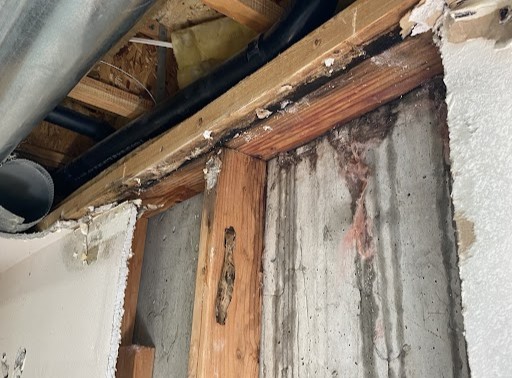
4) Do Water Stains on Walls or Floors Mean a Leaking Pipe?
Water stains are sometimes hard to spot. Many of them appear as dingy spots on your walls that look like they can be wiped away. Others still may look like faint outlines, almost as if something was hanging on your wall at some point. However, water spots are almost always signs that something is very wrong just behind your walls. If you see anything that looks like a water stain that is getting worse with time, you might have a leaky pipe in your home.
You might also notice similar stains on your floors if your plumbing is leaking. If you do, step on it to see what happens. If it creaks more than usual or sinks down, you likely have water damage.
Keep in mind that water-damaged walls, floors, and ceilings might be caused by things other than a leaky pipe. A leak in your roof can cause water damage in ceilings, while high humidity and poor ventilation can cause significant damage to floors and walls. As always, it’s best to consider all possibilities whenever you have to fix water damage in your home.
5) Is Your Water Meter Still Running a Sign of a Pipe Leak?
One of the best ways to find out if you have a leak in your home is to shut off your water completely and check your water meter. Naturally, your water meter should stop running if your water is shut off. If it doesn’t, it means you’re still losing water somewhere in your home. This is likely caused by a leak that you’ll need to find and fix.
6) Could Wet Spots Indoors or Outdoors Point to a Pipe Leak?
If a pipe is leaking, the most obvious sign is usually a puddle of standing water nearby. But not all leaks are so easy to spot. Some happen behind walls or in crawlspaces where you rarely look. Still, with a careful eye, you might notice wet spots—walls that feel damp to the touch, or patches of lawn that are unusually soft and spongy. While other issues can cause similar signs, these are often clues that a pipe might be leaking.
If you suspect a leak, start by checking exposed pipes for puddles or water-damaged flooring. If nothing turns up there, take a closer look at walls and your backyard. Severe leaks usually leave traces somewhere, and spotting them early can prevent bigger problems down the line.
7) Can Foundation Cracks Be Caused by a Leaking Pipe?
Houses naturally settle over time, which can cause tiny hairline cracks in your walls. These aren’t difficult to fix, nor are they cause for alarm. On the other hand, if you see a larger crack appear seemingly out of nowhere that keeps getting worse, you might have a leak that is damaging your house’s foundation. This is a serious problem. An undermined foundation will slowly sink, which will cause even more cracks and other signs of damage as your house is literally slowly being torn apart.
As with the other signs discussed here, a crack in your foundation can be caused by things other than a leaking pipe. If you notice such problems along with any other signs of a leak, contact us right away to find the problem before you contact someone to fix your foundation and your walls.
Spotting a Pipe Leak: The Key Takeaways
From rising water bills to foundation cracks, these 7 warning signs show that leaks can hide in plain sight—and sometimes the smallest leaks can quietly cause the biggest problems. Left unchecked, they can drive up water bills, encourage mold growth, and even affect your home’s structure.
Keep an eye out for these signs, and if anything looks suspicious, contact Precision Plumbing, Heating, Cooling & Electric for expert plumbing leak detection and repair. Catching a leak early saves stress, prevents damage, and keeps your home safe and comfortable.
Remember, spotting a leaking pipe early is the best way to protect your home and get reliable plumbing leak repair before small issues turn into big problems.
Leaking Pipe? Contact Your Neighbors at Precision Plumbing for Assistance
A leaky pipe can quietly cause thousands of dollars in damage if left unchecked, not to mention higher water bills. That’s why finding and repairing leaks early is so important. At Precision Plumbing, Heating, Cooling & Electric, we specialize in plumbing leak detection, leak repair, sump pump services, and a wide range of plumbing solutions to fix damage caused by leaking pipes. We also provide drain cleaning and trenchless sewer repair, so no matter the issue, we’ve got it covered.
If you suspect a leak in your home or want more information about our plumbing services, contact Precision Plumbing, Heating, Cooling & Electric in Boulder, CO today.