


Tiny particles like dust, pollen, pet dander, and smoke drift quietly through your home’s air every day—often without you even noticing. These invisible pollutants can lower indoor air quality, leading to irritation, allergies, discomfort, and disrupted sleep.
That’s why the air filter in your HVAC system matters. Its MERV rating indicates how effectively it traps these airborne particles to keep your air fresh and healthy. If allergies worsen indoors or the air feels stale, your filter may not be doing enough to maintain indoor air quality and keep your HVAC system running smoothly. In this blog, we’ll explore what MERV ratings mean, why they matter for your home’s air quality, and how to choose the right filter that balances clean air with efficient airflow.
How Air Filters Work in Home HVAC Systems
Every central heating and cooling system includes an air filter. Its job is to capture airborne particles before they circulate through your home or damage your equipment.
But not all filters are the same. Some are built to catch only the largest debris, while others trap microscopic particles like smoke or mold spores.
The effectiveness of these filters is measured using the MERV scale (short for Minimum Efficiency Reporting Value), which rates how well a filter removes particles from the air. This rating helps homeowners find a balance between air quality and airflow needs.
Types of HVAC Air Filters: What’s in Your System?
Before choosing the right MERV rating, it helps to understand the different types of HVAC air filters available. The material and design of a filter affect how well it captures particles—and how often it needs to be replaced or cleaned.
Disposable Fiberglass Filters
These are the most basic filters, typically with MERV ratings between 1 and 4. They protect your HVAC equipment from large debris, but they don’t significantly improve indoor air quality. They’re inexpensive but need frequent replacement.
Pleated Disposable Filters
Made of cotton or polyester folds, these filters offer improved filtration and airflow. Most have MERV ratings between 5 and 13. They’re a great choice for typical homes—especially those with pets or allergy concerns—and should be replaced every 1 to 3 months.
Electrostatic Filters
These use self-charging fibers to attract particles. Some are disposable; others are washable. Their MERV ratings vary widely depending on design, so it’s important to check specs before buying. When washable, regular cleaning is essential to keep performance up.
Washable (Reusable) Filters
Permanent filters you rinse and reuse instead of replacing. While eco-friendly, most have lower MERV ratings and may not capture finer particles as effectively. They also require consistent cleaning to maintain efficiency.
High-Efficiency Filters
These higher-MERV filters (typically 13–16) are often thicker or use denser media. They’re great for removing smaller particles like smoke, bacteria, and allergens—but not all systems can handle the increased airflow resistance they create.
HEPA Filters
HEPA filters capture at least 99.97% of microscopic particles as small as 0.3 microns and are commonly found in portable air purifiers or specialized HVAC setups—not standard home systems. While a few custom residential systems can accommodate HEPA filters, most standard HVAC systems cannot handle their dense design without modifications. For most homes, high-MERV pleated filters provide similar benefits without airflow problems.
What Do MERV Ratings Mean?
The MERV scale ranges from 1 to 20. Here’s a simple breakdown of what those numbers mean for most homes:
MERV 1–4: Basic Protection
Captures: Large dust, lint, and carpet fibers
Found in: Disposable fiberglass filters
Common in: Older systems or rental properties
Good for: Protecting equipment, not much for air quality
MERV 5–8: Standard Home Use
Captures: Dust mites, pollen, pet dander
Found in: Most residential pleated filters
Good for: General household use and balanced airflow
MERV 9–12: Better Air Quality
Captures: Fine dust, mold spores, auto emissions
Found in: Thicker, high-efficiency filters
Good for: Homes with pets, allergies, or mild smoke sensitivity
MERV 13–16: High Efficiency
Captures: Bacteria, smoke, sneeze droplets
Found in: Upgraded residential or light commercial systems
Good for: Households with severe allergies or respiratory concerns
Caution: May restrict airflow in systems not designed for them—check with a technician before upgrading
What About HEPA Filters?
HEPA stands for High Efficiency Particulate Air. These filters capture at least 99.97% of particles as small as 0.3 microns—including smoke, bacteria, and some viruses. They’re often used in hospitals or portable air purifiers. While a few specialized residential HVAC systems can accommodate HEPA filters, most standard home systems cannot handle their dense design without modifications.
For most homes, high-MERV filters offer a more compatible alternative.
Why Most Homes Don’t Need a HEPA Filter
HEPA filters (roughly MERV 17 and above) are excellent at removing very small particles—but they’re not practical for most residential HVAC systems. Their dense design can restrict airflow unless your system is specially built or modified to handle them.
Those modifications typically require:
- A stronger fan motor
- Custom filter housings
- Sealed ductwork
- Professional installation and ongoing maintenance
For most homes, a high-MERV filter (MERV 8-13 range) is a safer and more practical option. Portable HEPA air purifiers can also be a great way to target bedrooms or high-use areas.
The Sweet Spot: Choosing the Right MERV Filter for Your Home
For most Boulder homes, filters rated between MERV 8 and MERV 13 offer the best balance of performance, comfort, and long-term reliability:
- Particle capture (dust, pollen, pet dander, smoke)
- Airflow efficiency
- System protection
If dealing with allergies, pets, or wildfire smoke, MERV 11 or MERV 13 filters can make a noticeable difference. MERV 11 provides good allergen control with less airflow restriction than MERV 13, which is more efficient but may challenge older HVAC units. Always check with an HVAC technician about whether your system can handle higher-rated filters—some older units may struggle with the added resistance.
Want to Know How Your Air Measures Up?
You can’t always see what’s floating in your air—but it can still affect how your home feels and how your body responds. If you notice more dust, allergy symptoms, or musty smells—or just want peace of mind—an Indoor Air Quality (IAQ) Assessment can uncover what’s really going on.
At Precision Plumbing, Heating, Cooling & Electric, our IAQ assessments provide a complete picture of your home’s air quality, which includes:
- A trained technician visiting your home to assess your indoor environment
- Testing and inspection for airborne pollutants, humidity, ventilation, and more
- A detailed report with findings and tailored solutions if needed
- Expert recommendations you can trust
- Backing by our 100% satisfaction guarantee
An IAQ assessment isn’t just for allergy season. It’s a smart move any time—especially after home renovations, when welcoming a new baby, or if someone in the household is older or has respiratory issues.
Keep It Clean: Why Filter Maintenance Matters
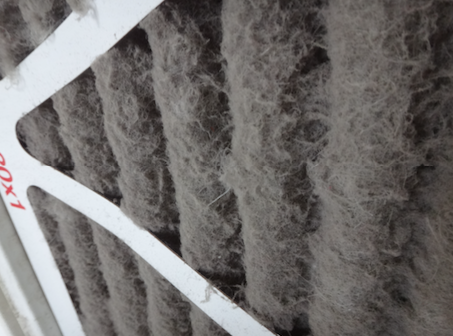
No matter what type of filter you choose, it won’t work properly if it’s clogged. A dirty filter reduces airflow, puts extra strain on your system, and drags down your indoor air quality.
Most filters need to be replaced—or cleaned—every 1 to 3 months. But the right schedule depends on the filter type, MERV rating, and what’s going on inside (and outside) your home.
Air Filter Maintenance Schedule: What to Know and When to Act
- Basic fiberglass filters (MERV 1–4) should be checked monthly and replaced often, as they fill quickly and don’t trap finer particles.
- Pleated filters (MERV 5–13) can usually last 1 to 3 months. Homes with pets, allergy concerns, or wildfire smoke may need more frequent changes.
- Washable or electrostatic filters need consistent cleaning—usually once a month—to stay effective. Letting debris build up can reduce performance over time.
- High-efficiency filters (MERV 13+) work harder to trap smaller particles, which means they can clog faster—especially in dusty environments or busy households.
If your home is in a dry, dusty area like Boulder, or includes pets, allergies, or smokers, your filter may need attention more often than the packaging suggests.
During routine HVAC maintenance, a technician can inspect your filter, check airflow, and recommend the best replacement or cleaning schedule for your setup. Regular filter upkeep supports better air quality, protects your system, and helps everything run more efficiently.
Breathe Easier with the Right Filter
Improving your home’s air quality doesn’t have to be complicated. Choosing the right MERV-rated filter—and keeping it clean—reduces allergens, improves airflow, and helps your HVAC system last longer.
Not sure what your system can handle? Our team at Precision Plumbing, Heating, Cooling & Electric can evaluate your setup, recommend the right filter, and manage maintenance so your home stays comfortable all year.
Contact us today to learn more or schedule your indoor air quality check.