


If your Denver area home has a basement, a sump pump is one of the most important plumbing components protecting your property. Colorado’s spring snowmelt season and periodic heavy rainfall can push groundwater up against foundation walls and into basement floors, causing flooding that leads to costly damage and mold growth. A properly functioning sump pump is your first line of defense.
In communities throughout the Denver-Boulder corridor, including Lakewood, Thornton, Arvada, and Westminster, basements are especially common, and so are the drainage challenges that come with Colorado’s climate.
Homes built in low-lying areas or near the South Platte River corridor are particularly vulnerable to hydrostatic pressure buildup around their foundations. Precision Plumbing Heating, Cooling & Electric has served Denver area homeowners since 1982. If you have questions about your sump pump or need installation or service, call us at (720) 464-4485 or reach us through our contact page.
What Is a Sump Pump?
A sump pump is a water removal device installed in the lowest point of a basement or crawl space, typically inside a pit called a sump basin or sump crock. When groundwater or excess water collects in that pit and reaches a certain level, a float switch activates the pump motor, which moves the water through a discharge pipe to a safe drainage location away from your home’s foundation.
There are two primary types of sump pumps used in Denver area homes:
- Submersible sump pumps: Installed fully inside the sump pit and submerged in water when operating. These are quieter and more powerful, making them well-suited for basements that experience frequent or heavy water intrusion.
- Pedestal sump pumps: Feature a motor mounted above the pit on a pedestal. The motor stays dry while the pump is in the pit. These are more accessible for maintenance but slightly louder when running.
Why Denver Area Homeowners Need a Sump Pump
Colorado’s weather patterns create specific conditions that make sump pumps essential for many Denver Metro homes:
- Spring snowmelt: The Rocky Mountain snowpack melts rapidly in late spring, saturating the soil across the Front Range and creating high groundwater tables in many Denver neighborhoods.
- Intense summer storms: Denver’s afternoon thunderstorms can dump one to two inches of rain in under an hour. When the ground is already saturated, water has nowhere to go but into basement spaces.
- Clay-heavy soils: Much of the Denver Metro area has clay-based soil that does not drain well. Clay retains moisture and creates hydrostatic pressure against basement walls and floors.
- Older home foundations: Many Denver neighborhoods were developed in the 1950s through 1970s, before modern waterproofing standards, making basement flooding more likely without active water management.
How Does a Sump Pump Work?
Water from rain, snowmelt, or groundwater pressure collects in the sump pit. As the water level rises, the float switch rises with it. When the float reaches the activation threshold, typically around eight to twelve inches of water in the pit, the motor turns on and the pump begins pushing water through the discharge line. The water exits through a pipe routed away from the home’s foundation, usually to a storm drain, dry well, or the yard at a distance that prevents it from immediately flowing back toward the house.
Most modern sump pumps include a check valve on the discharge line. This valve prevents water from flowing backward into the pit once the pump shuts off. Without a check valve, the pump would cycle on and off repeatedly as water backflows into the pit, wearing out the motor faster.
Sump Pump Maintenance Tips for Denver Area Homeowners
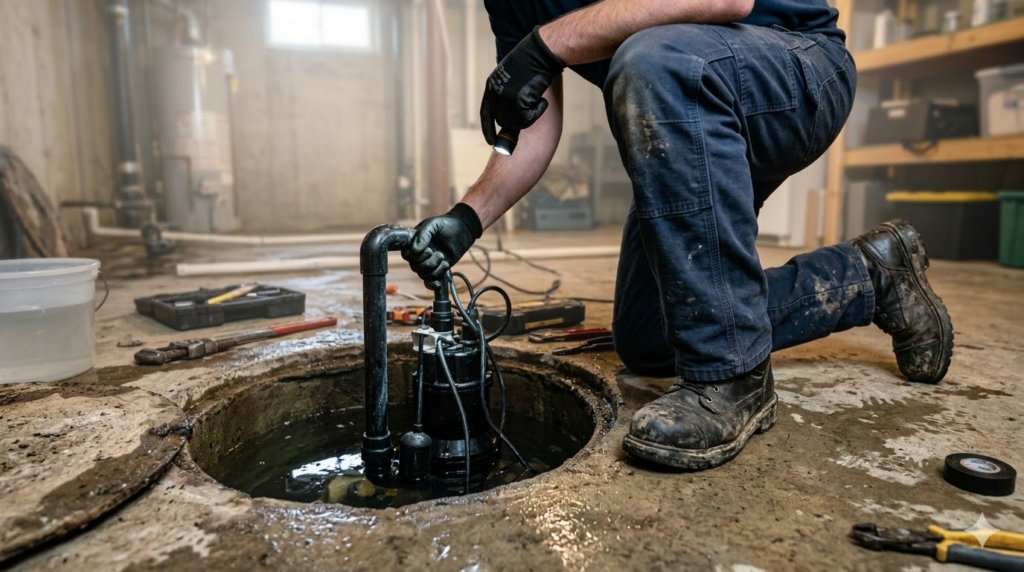
A sump pump that has not been tested or inspected can fail precisely when you need it most. Here are key maintenance steps every Denver homeowner with a basement should follow:
- Test your pump regularly: Pour a bucket of water into the sump pit to confirm the float switch triggers the pump and the water evacuates properly. Do this at least twice a year, especially before spring snowmelt season.
- Inspect the discharge line: Make sure the outdoor discharge point is clear of debris, ice, or obstructions. A clogged discharge line can cause water to back up into the pit and overflow.
- Check the check valve: Listen for excessive cycling after the pump shuts off. If water keeps flowing back into the pit, the check valve may need replacement.
- Clean the sump pit: Remove debris, gravel, and sediment from the pit annually. Buildup can clog the pump inlet or jam the float switch.
- Consider a backup pump: Denver’s most severe storms often come with power outages. A battery-powered backup sump pump keeps your basement protected even when electricity is out.
When to Call a Plumber About Your Sump Pump
Some sump pump issues require professional attention. Contact a licensed plumber if you notice any of the following:
- The pump runs continuously without stopping, which can indicate a failed float switch or an undersized pump.
- The pump makes unusual noises such as rattling, grinding, or loud humming, pointing to motor damage or a damaged impeller.
- Water is visible in your basement despite the pump running, which may mean the pump lacks sufficient capacity or the discharge line is blocked. Your pump is more than seven to ten years old and has not been inspected recently.
Our drain clearing and plumbing services teams can inspect your entire basement drainage system to ensure your sump pump and drains are working together effectively.
Sump Pump Installation in the Denver Metro Area
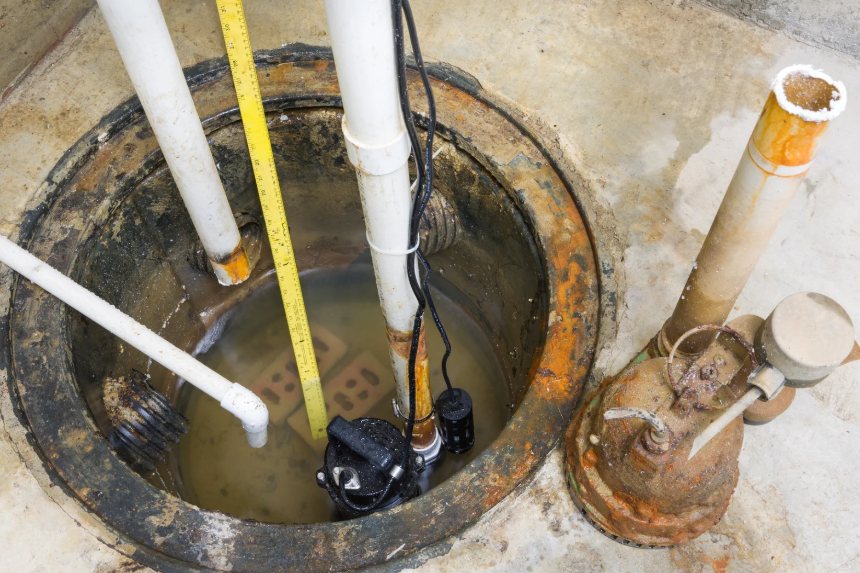
If your home does not currently have a sump pump and you experience basement moisture or flooding, professional installation is the right solution. A licensed plumber will assess the lowest point of your basement, determine the appropriate pit size and pump capacity, and route the discharge line to a compliant drainage point.
In Denver Metro homes, installation typically involves cutting a pit into the basement floor slab, setting a pit liner, connecting the pump to the discharge line, and running a dedicated electrical outlet to power the unit. The process generally takes four to eight hours depending on basement layout and soil conditions.
Frequently Asked Questions
How long does a sump pump last in Denver area homes?
Most residential sump pumps last between seven and ten years with regular maintenance. Denver area pumps that run frequently during spring snowmelt or summer storm seasons may wear out faster. Testing your pump annually and replacing it proactively after eight years is a smart practice.
Do I need a sump pump if I have a waterproofed basement?
Basement waterproofing reduces moisture seepage but does not eliminate the need for a sump pump. Interior waterproofing systems actually channel groundwater toward the sump pit, requiring an active pump to remove it. A waterproofed basement without a functioning sump pump can still flood during heavy groundwater pressure events.
What size sump pump do I need for my Denver home?
Most residential sump pumps are rated by horsepower, with one-third and one-half horsepower models covering the majority of Denver area homes. Homes in low-lying areas or with larger basements may need a three-quarter horsepower or one horsepower unit. A licensed plumber can assess your site conditions and recommend the correct capacity.
Should I get a battery backup sump pump in Colorado?
Yes. Colorado’s severe summer thunderstorms frequently cause power outages. Since those same storms produce the heavy rainfall that activates your sump pump, a power outage during a storm is exactly when your primary pump may fail. A battery backup sump pump provides protection during outages and is a worthwhile investment for any Denver area basement.
How do I know if my sump pump is working properly?
Pour five gallons of water slowly into the sump pit. The float switch should rise with the water and trigger the pump. The pump should evacuate the water within a minute or two and then shut off. If the pump does not start, runs but does not remove water, or fails to shut off after the pit is empty, schedule a professional inspection.
Can Precision Plumbing install a sump pump in my Denver area home?
Yes. Our licensed plumbers install and service sump pumps throughout the Denver Metro area, including Louisville, Arvada, Westminster, Thornton, Lakewood, and surrounding communities. We assess your basement, recommend the right pump for your needs, and ensure the discharge line is correctly positioned.
About Precision Plumbing Heating, Cooling & Electric
Precision Plumbing Heating, Cooling & Electric has been serving Greater Denver Area homeowners since 1982. Based in Louisville, Colorado, our licensed plumbers handle sump pump installation and service, drain clearing, emergency plumbing, and complete plumbing services across more than 25 communities in the Denver-Boulder corridor. Call (720) 464-4485 or contact us to schedule a sump pump inspection or installation.