

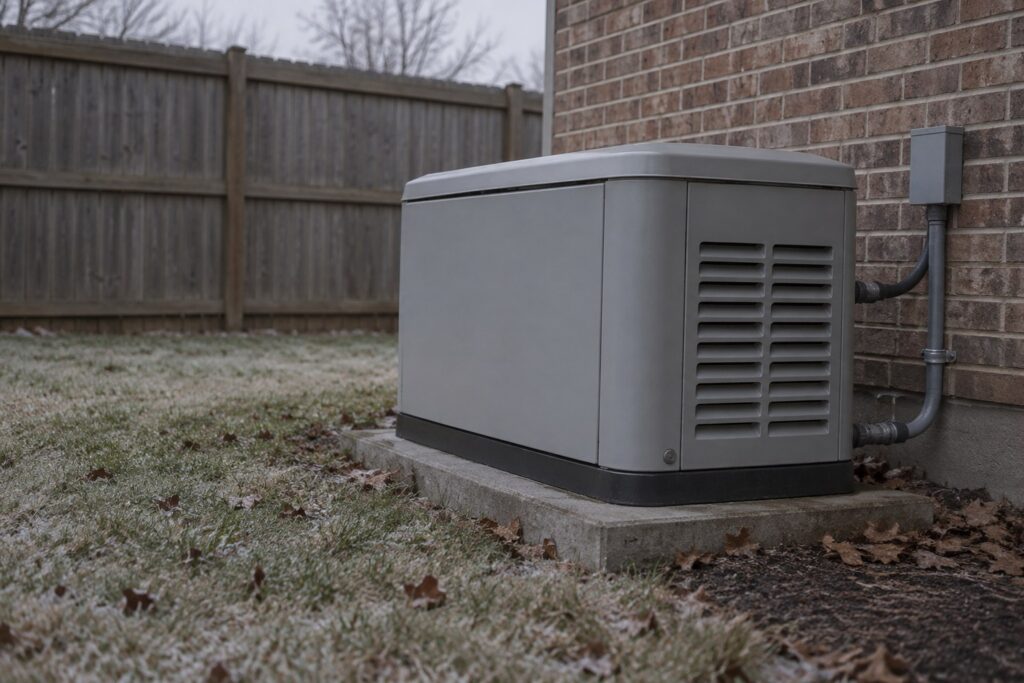
A whole house generator can keep your furnace, refrigerator, sump pump and Wi-Fi running when the grid goes dark, and in Boulder County that happens more often than many homeowners expect. High wind events, heavy upslope snow and planned utility shutoffs can all cut power for hours or longer. At Precision Plumbing Heating, Cooling & Electric, our licensed technicians have helped Louisville families plan for winter since 1982. Below, we compare standby and portable generators, explain sizing and installation, and help you decide whether permanent backup power makes sense for your home before the next storm.
Want a clear answer for your home? Our electricians can walk you through your options.
Key Takeaways
- Boulder County outages come from high winds, heavy wet snow and Xcel Energy Public Safety Power Shutoffs, which have happened here since April 2024.
- A standby generator starts on its own through an automatic transfer switch and runs on your natural gas or propane supply.
- Sizing starts with a load assessment by a licensed electrician, who helps you choose between essential circuits and whole-home coverage.
- Installation involves placement and clearances, a transfer switch, gas line work, a City of Louisville permit and inspection.
- Portable generators must run outdoors only, at least 20 feet from your home, and never in a garage, according to the CPSC.
- Annual service and regular self-tests keep a standby unit ready for the night you actually need it.
Louisville winters are not just cold. They are windy, and the snow that arrives on easterly upslope flow is often heavy and wet. That combination brings down branches, stresses power lines and leaves neighborhoods from Old Town Louisville to Coal Creek without electricity at the worst possible time.
When the power goes out in January, the problem is bigger than dark rooms. Most gas furnaces need electricity to run their blower and controls. No power usually means no heat, and in a long outage that can lead to frozen pipes and a very uncomfortable household.
Why Power Outages Happen in Boulder County
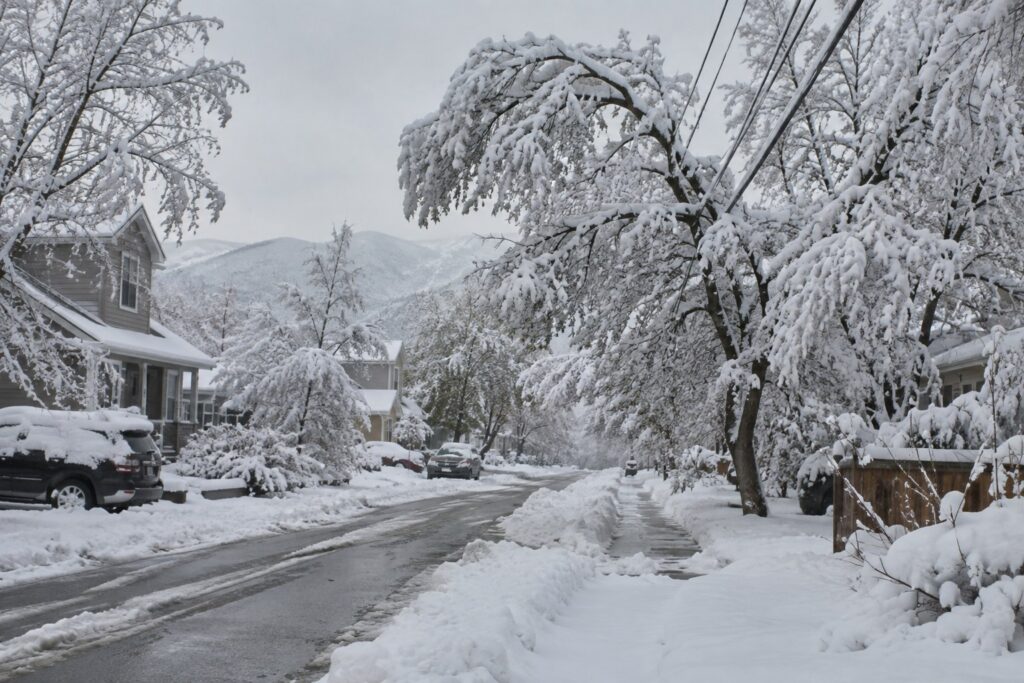
Every region has storms. What makes the Front Range different is how quickly conditions change and how wind and snow combine. Understanding the causes helps you judge how much backup power your household really needs.
High Wind Events Along the Front Range
Strong downslope winds roll off the foothills, especially from late fall through spring. Gusts can snap limbs, topple trees onto lines and damage utility equipment. Homes near open space and mature tree canopies, which describes plenty of Louisville streets, feel these events first.
Wind outages can be scattered and slow to repair, because crews have to patrol lines and clear debris before restoring service safely.
Heavy Upslope Snowstorms
Our biggest snowstorms often come from upslope flow, when moist air is pushed west against the mountains. That snow tends to be dense and wet. It clings to trees that may still hold leaves in early fall, and it weighs down branches until they break and pull lines with them.
Because the first fall freeze usually arrives in early to mid October, an early storm can catch homes before trees have dropped their leaves. That is a common recipe for outages.
Xcel Energy Public Safety Power Shutoffs
Public Safety Power Shutoffs are planned outages. During extreme wind and high wildfire risk, Xcel Energy may turn off power to lines in risky areas to reduce the chance that damaged equipment sparks a fire. In April 2024, Xcel Energy de-energized lines serving about 55,000 customers, including parts of Boulder County, which the Colorado Public Utilities Commission describes as the first shutoff of its kind in Colorado.
The City of Boulder reports additional shutoffs and related outages during extreme wind in December 2025. Shutoffs may come with advance notice, but restoration can take time because crews inspect lines before re-energizing them. For planning purposes, assume an outage could last longer than a single evening.
How a Whole House Generator Works
A standby generator is a permanently installed unit that sits outside your home on a pad, much like an air conditioning condenser. It is wired into your electrical system and connected to your fuel supply, so it is ready to go without you lifting a finger.
The Automatic Transfer Switch
The heart of the system is the automatic transfer switch. It monitors utility power. When the power drops, it signals the generator to start, then switches your home’s circuits from the utility to the generator. When utility power returns and stabilizes, it switches back and lets the generator shut down.
The transfer switch also prevents backfeeding, which is when generator power flows back onto utility lines. Backfeed can endanger line workers and neighbors, which is one reason generator connections belong in the hands of a licensed electrician.
Natural Gas or Propane Fuel
Most Louisville homes already have natural gas service from Xcel Energy, and a standby unit can usually run from that supply. Homes without natural gas service can use propane from an on-site tank. Either way, you skip refueling in the middle of a storm, which is one of the biggest headaches with portable units.
Automatic Start and Self-Testing
Standby generators start automatically whether you are home, asleep or traveling. Many models also run a short self-test on a schedule to keep the engine lubricated and confirm the system is ready. That makes them a strong fit for households with medical equipment, home offices, pets or a basement that relies on a sump pump.
Not sure if your electrical system is ready for a standby unit? Talk to our team today.
Standby vs Portable Generators: Which Fits Your Home
Both types of generators keep the lights on, but they solve the problem in very different ways. The right choice depends on how long outages tend to last, who lives in your home and how much hands-on work you are willing to do during a storm.
| Feature | Standby (Whole House) Generator | Portable Generator |
|---|---|---|
| Startup | Starts automatically through a transfer switch | Started by hand, then connected with cords or an inlet |
| Fuel | Natural gas or propane, no refueling | Usually gasoline, refueled every few hours |
| Coverage | Essential circuits or the whole home, including furnace | A few appliances or select circuits |
| Location | Permanent pad outside, with required clearances | Moved outdoors at least 20 feet from the home for each use |
| Installation | Licensed electrician, gas work, permit and inspection | Minimal, though a transfer switch or inlet still needs an electrician |
| Upfront investment | Higher, pricing varies by size and site | Lower, but more effort during outages |
| Best for | Long or frequent outages, medical needs, travel | Short outages and tight budgets |
When a Standby Generator Makes Sense
A standby unit is worth serious consideration if your home depends on electricity for heat, if someone in your household uses powered medical equipment, or if you travel often in winter. It also makes sense if a finished basement and sump pump would be at risk during a long outage.
When a Portable Generator May Be Enough
If outages on your street are usually short and you are comfortable setting up equipment in the cold, a portable unit can cover the basics. Just know its limits. Running a furnace from a portable generator safely requires a properly installed transfer switch or inlet, not an extension cord through a window.
Sizing a Standby Generator for Your Home
Bigger is not automatically better. An oversized unit adds cost and fuel use, while an undersized unit can struggle when large loads start. The goal is to match the generator to what your household truly needs during an outage.
Essential Circuits vs Whole-Home Coverage
Essential circuit coverage powers the items you cannot go without, such as the furnace, refrigerator, sump pump, some lights, outlets for phones and internet, and possibly a well pump. Whole-home coverage keeps nearly everything running, including electric ranges, laundry and central air conditioning in summer.
Many families start by listing what they would miss most during a two-day winter outage. That list often points clearly to one approach.
Why a Load Assessment Matters
A licensed electrician performs a load assessment to see how your home actually uses power. That includes reviewing your panel, the motors that draw a surge when they start, and appliances that run at the same time. The result is a recommended generator size and transfer switch setup that fits your home rather than a guess.
Checking Your Electrical Panel
Older panels, crowded breakers and outdated wiring can complicate a generator project. If your panel shows warning signs, review the signs your Louisville home needs an electrical panel upgrade before you choose a unit. A professional electrical safety inspection can also flag issues that should be fixed first.
What Whole House Generator Installation Involves
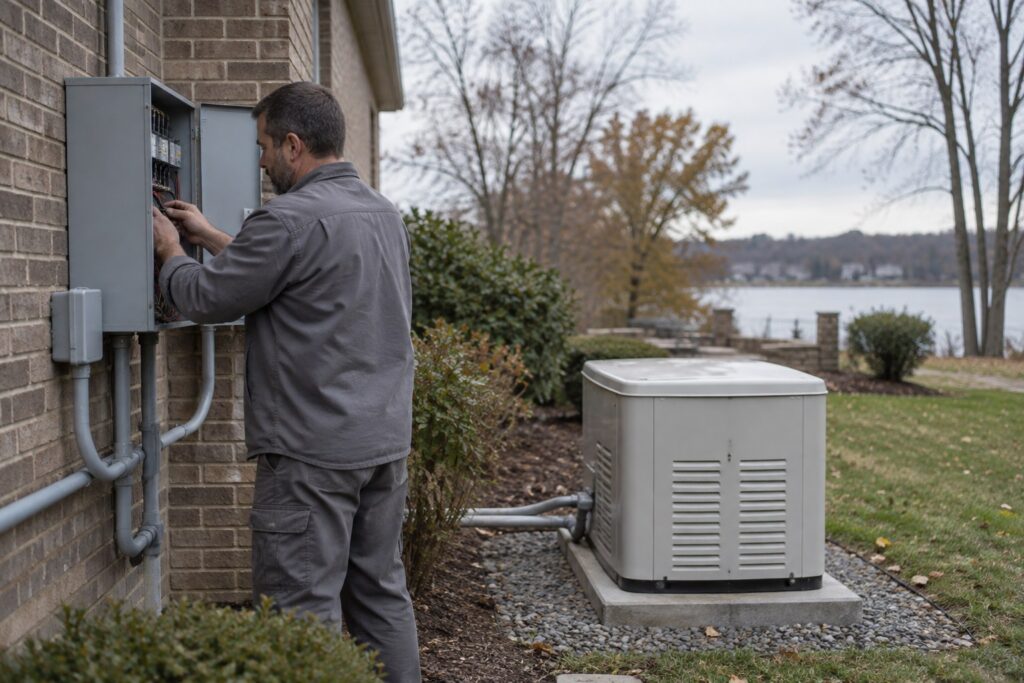
A standby generator is a real construction project that touches your electrical system, your gas supply and city code. Here is how our home generator installation process typically unfolds.
Step 1: Load Assessment and Planning
We start by reviewing your panel, your priorities and your fuel supply. Our technicians explain your options, including essential versus whole-home coverage, before any work begins, and we provide a written, upfront estimate.
Step 2: Placement and Clearances
The generator needs a level, stable location outside with the clearances required by the manufacturer and local code. That usually means keeping it a set distance from windows, doors, vents and other openings so exhaust stays out of the home. We also consider noise, snow drifting, access for service and how the unit will look from the street.
Step 3: Transfer Switch and Electrical Work
Our electricians install the automatic transfer switch and connect it to your panel and the generator. Any needed panel work happens at this stage. This is not a DIY job, since it involves live service equipment and code requirements designed to protect your family and utility crews.
Step 4: Gas Line Coordination
A standby unit needs a properly sized fuel line. Because we handle both electrical and plumbing work, our team can coordinate gas line installation to the generator and confirm your meter and piping can supply it along with your furnace, water heater and other gas appliances.
Step 5: Permits, Inspection and Utility Coordination
Generator projects in Louisville generally require permits through the City of Louisville, followed by inspection. We handle the paperwork and schedule inspections. Gas meter changes or upgrades, when needed, are coordinated with Xcel Energy. Timelines vary, so it pays to start well before the first big storm of the season.
Step 6: Startup, Testing and Walkthrough
Once everything passes inspection, we start the generator, test a simulated outage and confirm the transfer switch works correctly. Then we show you how the controls work, what the status lights mean and what routine checks look like.
Portable Generator Safety Every Homeowner Should Know
If you use a portable generator, safety has to come first. The U.S. Consumer Product Safety Commission warns that generator exhaust contains carbon monoxide, an odorless gas that can kill within minutes.
Outdoors Only, at Least 20 Feet Away
The CPSC says to operate portable generators outside only, at least 20 feet from the house, with the exhaust pointed away from your home and any building someone could enter. Never run one in a garage, basement, crawlspace or shed, even with the door open. The CPSC also warns against running a generator on a porch or in a carport.
Carbon Monoxide Alarms
Install CO alarms on every level of your home and outside sleeping areas, and test them regularly. If a CO alarm sounds, get everyone outside right away and call 911. Do not go back in until responders say it is safe.
Connecting a Portable Unit Safely
Never plug a generator into a wall outlet. That practice, sometimes called backfeeding, can energize utility lines and shock line workers or neighbors. If you want to power circuits from a portable unit, have a licensed electrician install a transfer switch or approved inlet. And if you ever smell gas, leave the home immediately, avoid switches and flames, and call Xcel Energy at 800-895-2999 or 911 from outside.
Maintaining Your Standby Generator
A standby generator sits quietly for months, then has to work perfectly during a storm. Routine care is what makes that possible.
Annual Professional Service
Plan on at least one professional service visit each year, ideally in fall before outage season. A typical visit includes checking the oil and filters, spark plugs, battery, connections, transfer switch operation and the overall condition of the unit. Follow the manufacturer’s maintenance schedule, since heavy use during a long outage may call for service sooner.
What You Can Check Yourself
Keep snow, leaves and debris clear of the unit and its vents. Look at the status display now and then, and listen for the scheduled self-test. If the generator shows a warning light, fails to run its test or makes unusual noise, call for home generator repair rather than opening the unit yourself.
Protecting Electronics During Outages
Power can surge when utility service returns or when large loads switch on and off. Pairing your generator with whole-home surge protection helps protect furnaces, appliances and electronics that rely on sensitive circuit boards.
Ready to plan backup power before winter? Let our electricians assess your home.
Frequently Asked Questions
Is a Whole House Generator Worth It in Louisville?
For many Louisville homes, yes. Wind events, heavy snow and Xcel Energy Public Safety Power Shutoffs can leave you without heat for hours or longer. If your household has medical needs, a basement sump pump or frequent winter travel, automatic backup power offers real peace of mind. A load assessment helps you decide what level of coverage fits your home.
Will a Standby Generator Run My Gas Furnace?
Yes, when it is sized and wired correctly. Gas furnaces need electricity for the blower, igniter and controls, so they stop during an outage. A standby unit connected through a transfer switch can power your furnace circuit along with other essentials. Your electrician will confirm the furnace is included in the load assessment and the generator has enough capacity.
How Much Does a Standby Generator Cost?
Pricing varies widely based on generator size, fuel type, transfer switch, distance from your panel and gas meter, and site preparation. Permit requirements also play a role. The best approach is to schedule a load assessment and ask for a written, upfront estimate. Financing is available through Service Finance Company for qualified homeowners who want to spread out the investment.
Do I Need a Permit to Install a Generator in Louisville?
Standby generator installations generally require permits through the City of Louisville, plus inspection of the electrical and gas work. Requirements can change, so your installer should confirm current rules for your address. Precision Plumbing Heating, Cooling & Electric handles permits and inspection scheduling as part of the installation, so you do not have to manage the paperwork on your own.
Can I Run a Portable Generator in My Garage With the Door Open?
No. The CPSC warns never to run a generator inside a home, garage, basement, crawlspace or shed, even with doors or windows open, because carbon monoxide can build up quickly. Operate portable units outside only, at least 20 feet from the house, with exhaust pointed away. Keep working CO alarms on every level of your home.
How Often Should a Standby Generator Be Serviced?
Most manufacturers recommend professional service at least once a year, plus additional service after long run times. Fall is an ideal time in Louisville, before wind and snow season. A technician checks oil, filters, plugs, the battery and transfer switch so the generator starts reliably. Between visits, keep the unit clear of snow and watch its status lights.
A whole house generator is one of the most practical ways to keep your Louisville home warm, safe and running through winter outages. Whether you are weighing a standby unit against a portable model or ready to size a system, call Precision Plumbing Heating, Cooling & Electric at (720) 464-4485. Our Louisville electrical contractor team serves Louisville, Boulder, Superior, Lafayette, Erie, Broomfield and nearby communities from our office at 413 S Arthur Ave, Louisville, CO 80027.
Ready to Get Started with Precision Plumbing Heating, Cooling & Electric?
Do not wait for the next windstorm to think about backup power. Call (720) 464-4485 to talk with our licensed electricians about the right generator for your home.