

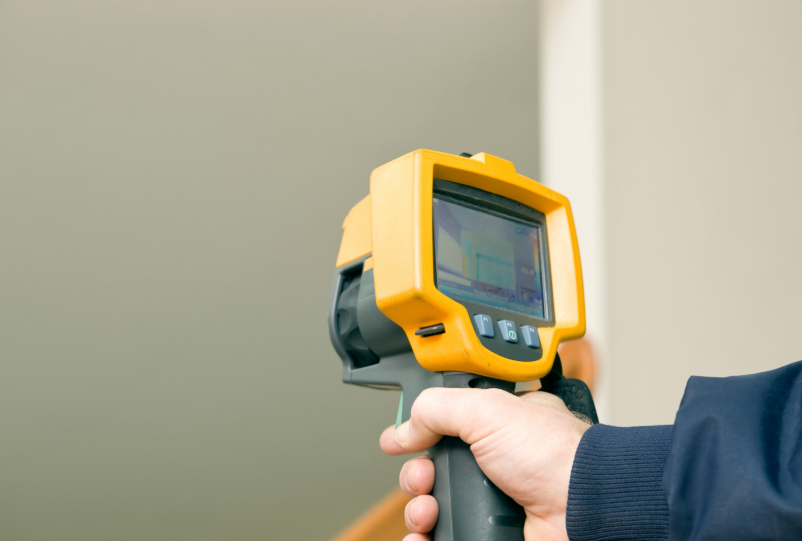
A home energy audit is one of the smartest things you can do before another Louisville, CO winter hits. Precision Plumbing Heating, Cooling & Electric has been serving the Louisville and greater Boulder County area since 1982, and we know how much energy older homes here lose through leaky ducts, thin insulation, and drafty windows.
A thorough audit tells you exactly where your money is going and which fixes will actually pay off. This article walks you through what a professional audit involves, what it costs, and what rebates are available to help offset that cost. Ready to stop guessing where your energy dollars are going?
Key Takeaways
- A home energy audit identifies exactly where your house is losing heat, air, and money every month.
- Louisville, CO homeowners can tap Xcel Energy rebates to offset the cost of qualifying upgrades found during an audit.
- Most audits include a blower door test, thermal imaging, and a written report with prioritized upgrade recommendations.
- Typical audit costs in the Louisville area range from free (Xcel’s online assessment) to several hundred dollars for a full professional inspection.
- Air sealing and insulation upgrades often deliver the fastest payback in Colorado’s high-altitude, high-heating-demand climate.
Why Louisville Homes Lose More Energy Than You Think
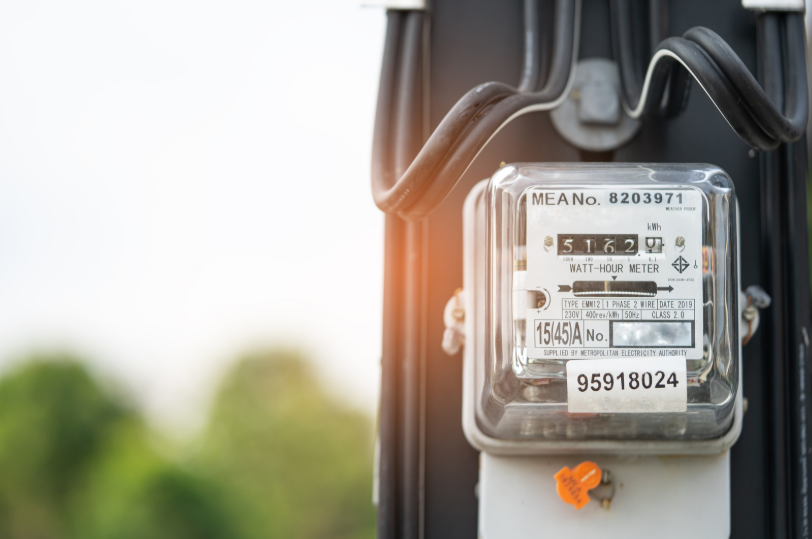
Every January, Louisville homeowners open their Xcel Energy bill and feel it. Heating a home at roughly 5,300 feet elevation in a Zone 5b climate, where the season demands close to 6,000 heating degrees annually, costs more than most people expect. A home energy audit tells you exactly where that money is escaping and what to do about it.
This article covers the full home energy audit process for Louisville homeowners, what it costs locally, which upgrades deliver the best return, and how to claim the federal tax credit. If you want to know why your furnace runs constantly and what it would take to fix that, you are in the right place. Understanding how to improve furnace efficiency starts with knowing where your home is losing heat in the first place.
What Does a Home Energy Audit Actually Include?
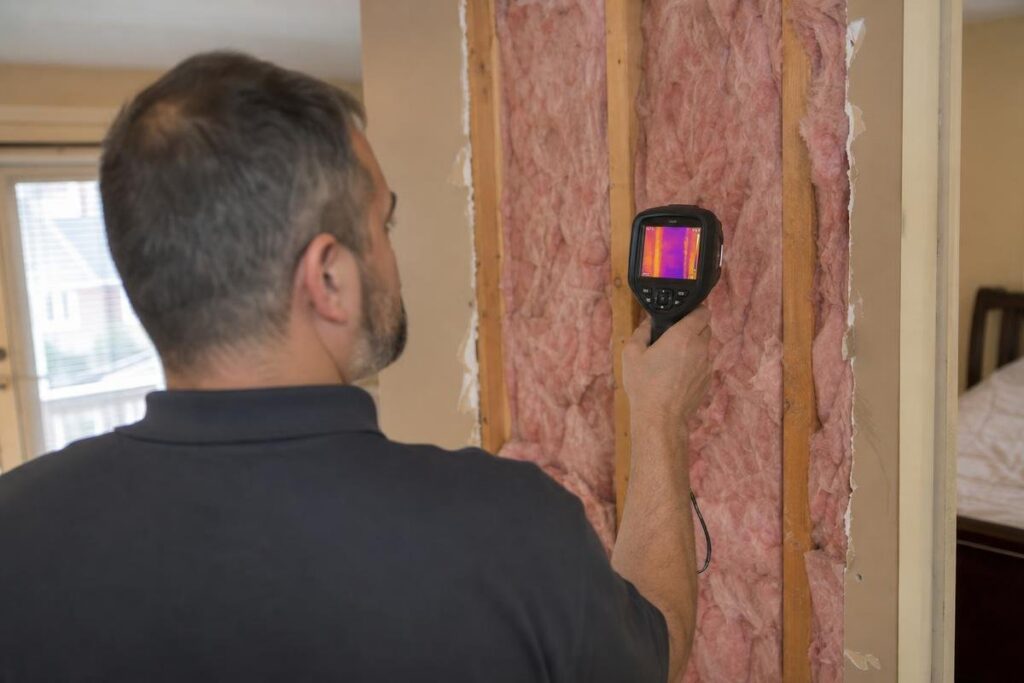
A home energy audit is a systematic assessment of how your home uses energy and where it loses it. An auditor walks through your entire house, runs diagnostic tests, and gives you a clear picture of what’s costing you money every month. It’s not a sales call. It’s a technical inspection with real measurements.
The Visual Walkthrough
The auditor starts with a room-by-room inspection. They check insulation levels in your attic (current standards call for R-38 to R-60 in our climate zone), look at weatherstripping around doors and windows, and find gaps where pipes and electrical wires pass through walls and floors. Older homes in neighborhoods like Downtown Louisville and Old Town often have original fiberglass batt insulation that falls well short of those targets.
Your utility bills are part of this step too. The auditor reviews 12 months of energy use to spot patterns before they ever touch a wall. This gives them a baseline to measure upgrades against later.
The Blower Door Test
This is the most important diagnostic tool in a home energy audit. The auditor mounts a large calibrated fan in an exterior door frame and depressurizes the house. The fan measures air leakage in ACH50 (air changes per hour at 50 pascals of pressure). Older homes in the Louisville area commonly test at 8 to 12 ACH50. The ENERGY STAR target is 3 ACH50 or below.
While the house is depressurized, the auditor uses a smoke pencil or an infrared camera to pinpoint exactly where air is escaping. Gaps around recessed lights, attic hatches, and plumbing chases are common culprits. Louisville’s dry, windy climate, with strong downslope Chinook winds coming off the foothills, makes air sealing one of the highest-value upgrades you can make.
Combustion Safety and HVAC Assessment
The auditor checks every combustion appliance in your home. That includes your furnace, boiler, or heat pump, plus your water heater. At Louisville’s elevation of roughly 5,300 feet, combustion appliances run less efficiently than they do at sea level, so this step matters more here than in most parts of the country. They test for carbon monoxide spillage and measure flue draft to confirm your equipment is venting safely.
For forced-air systems, duct leakage is measured separately. A leaky duct system can waste 20 to 30 percent of conditioned air before it ever reaches a room. If your furnace is aging or undersized, the auditor will flag it. Read more about improving furnace efficiency in Boulder before your audit if you want to know what questions to ask.
And if you’re weighing equipment options after the audit, our heat pump vs. gas furnace comparison covers the key tradeoffs for homeowners in this area.
How Much Does a Home Energy Audit Cost in Louisville?
A professional home energy audit in Louisville typically costs between $200 and $600. For a 2,000 square foot home, expect to pay $250 to $400. That range covers a full blower door test, combustion safety check, duct leakage assessment, and a written report with upgrade recommendations.
DIY vs. Professional Audit
A DIY audit using a free Energy Star checklist costs nothing. You walk through your home, check weatherstripping, look for obvious gaps, and note drafty rooms. It’s a useful starting point, but it won’t find hidden duct leaks or measure how much conditioned air your home is actually losing.
A professional audit uses a blower door test to depressurize the house and locate air leakage you’d never spot on your own. That’s the difference between guessing and knowing. If your home was built before 1990, the professional route almost always pays for itself in the upgrades it helps you prioritize correctly.
Xcel Energy’s Free Online Assessment vs. a Full Audit
Xcel Energy offers a free online home energy assessment at co.my.xcelenergy.com. It generates a personalized savings report based on your utility usage and home details. It’s worth doing, especially if you’re an Xcel customer in Louisville, Superior, or anywhere on the Front Range.
That said, the online tool cannot run a blower door test or detect hidden duct leakage. It’s a solid first step, not a substitute for an in-home audit. If the report flags your heating or cooling costs as high, that’s your signal to schedule a professional assessment. You can also read up on how Xcel Energy heat pump rebates work in Colorado before your audit so you know what upgrades may qualify for financial help.
What Drives the Price Up or Down
Several factors push audit costs toward the higher end of the range:
- Homes built before 1990 with complex air sealing needs
- Square footage over 2,500 sq ft
- Crawl spaces that require separate inspection
- Multiple HVAC zones or duct systems
- Gas appliances requiring combustion safety testing
- Pre-1980 housing stock with single-pane windows and minimal wall insulation
Income-qualifying households may pay nothing at all. Some Colorado utility programs fully subsidize audit costs. Ask your provider before you pay out of pocket. Find out exactly where your home is losing heat. Precision Plumbing Heating, Cooling & Electric can schedule your home energy audit and turn the results into a clear plan.
The Federal Tax Credit for Home Energy Audits: What Louisville Homeowners Can Claim
A qualifying home energy audit tax credit covers 30% of your audit cost, up to $150 per year, under IRS Section 25C. That credit is available through 2032 thanks to the Inflation Reduction Act. It applies to your primary residence only and is non-refundable, meaning it reduces your tax bill but won’t generate a refund if your liability is already zero.
You claim it on IRS Form 5695 when you file your federal return. Keep your invoice and the auditor’s written report. You’ll need both if the IRS asks for documentation.
How the Energy Efficient Home Improvement Credit Works
Not every auditor qualifies. For the credit to apply, your auditor must hold a BPI (Building Performance Institute) certification or a RESNET HERS rater credential. The audit must also produce a written report that covers your home’s energy use and lists specific improvement recommendations. A quick walkthrough with a checklist doesn’t count.
The credit is 30% of what you paid. On a $400 audit, that’s $120 back. On a $500 audit, you hit the $150 cap. Either way, it meaningfully offsets the cost of getting accurate data about your home.
Annual Limits and What Qualifies
The $150 audit credit is just one piece of Section 25C. The annual caps across all upgrade categories are:
- $150 for a qualifying home energy audit
- $600 for windows and skylights
- $1,200 for insulation and air sealing (combined)
- $2,000 for heat pumps and heat pump water heaters
- $3,200 total cap per year across all categories combined
Each cap resets on January 1. That reset is the key to making these credits work harder for you.
How to Maximize Your Credits Across Multiple Years
Staggering upgrades across tax years is a real strategy, especially for older homes in the area where the upgrade list is long. Here’s a simple three-year approach:
- Year 1: Get the audit ($150 credit) and add attic insulation or air sealing ($1,200 credit). You’re addressing the biggest heat-loss problems first.
- Year 2: Install a heat pump or improving heat pump efficiency in winter becomes the focus, claiming up to $2,000 in credits.
- Year 3: Replace single-pane windows, claiming up to $600.
Done this way, a homeowner could claim close to $3,950 in federal credits across three years on upgrades that also qualify for Xcel Energy rebates in Colorado. That’s a meaningful reduction on what can be a significant total project cost. Talk to your tax advisor about your specific situation. The credits are real, but eligibility depends on your tax liability each year.
Have questions about energy upgrades that qualify for federal credits? Our team can walk you through what makes sense for your home. Call us at (720) 464-4485.
Which Upgrades Should You Prioritize After an Audit?
Fix the building envelope first. That is the consistent answer for almost every home in the Louisville area. With a demanding heating season that runs close to 6,000 heating degree days each year, stopping air leaks and adding insulation delivers faster payback than almost any equipment upgrade you can make.
Air Sealing and Insulation: Fastest Payback
In USDA Zone 5b, air sealing and attic insulation typically pay for themselves in 3 to 5 years. Older neighborhoods with 2×4 framing and R-11 wall batts, common in Old Town Louisville and the historic streets around Downtown, benefit most from this work. Do the air sealing first, then add insulation on top. Adding insulation over unsealed gaps just traps the problem.
The highest-priority spots your auditor will flag:
- Attic bypasses around recessed lights, plumbing chases, and top plates
- Weatherstripping on exterior doors and garage entry doors
- Foam sealing around pipe and wire penetrations through exterior walls
- Rim joists in unfinished basements
Xcel Energy offers rebates on qualifying insulation work for Colorado customers. Check current amounts before you schedule a contractor so you can factor that into your budget.
HVAC Efficiency: Furnaces, Heat Pumps, and Smart Thermostats
If your audit shows duct leakage above 15% or your furnace is older than 15 years, equipment upgrades move up the priority list fast. A high-efficiency furnace rated at AFUE (Annual Fuel Utilization Efficiency) 96% or better, or a cold-climate heat pump, can cut your heating costs significantly.
At Louisville’s elevation, combustion appliances already work harder than they do at sea level, so efficiency ratings and proper altitude de-rating matter more here than most homeowners realize. See why correct HVAC system sizing matters before committing to any replacement.
Smart thermostats are the lowest-cost, highest-impact item on this list. Models like Ecobee and Nest typically save 8 to 15% on annual heating and cooling bills. They also give you data on runtime patterns, which helps you catch equipment problems early. For more on keeping indoor air healthy alongside efficiency upgrades, see our guide on indoor air quality upgrades every Louisville home should consider.
Electrical and Lighting Upgrades Worth Considering
Audits sometimes surface an electrical issue you were not expecting. An older 100-amp panel may not support a heat pump circuit or an EV charger. If you are planning either of those upgrades, the panel conversation happens now, not later. Read 5 signs your home needs an electrical panel upgrade to know what to watch for.
Two low-cost additions worth doing at the same time:
- LED lighting throughout the home, especially high-use fixtures
- Whole-home surge protection, which guards new efficient equipment from voltage spikes
Neither one is dramatic, but both add up over time and protect the bigger investments you are making elsewhere in the home.
Why Louisville Homes Have Unique Energy Challenges
Most free online home energy assessment tools ask basic questions about your square footage and utility bills. They don’t know you’re at 5,300 feet. They don’t know your neighborhood’s housing stock. And they definitely don’t account for wildfire smoke. A professional home energy audit accounts for all three.
Altitude, Dry Air, and Combustion Efficiency
Yes, altitude genuinely affects your furnace. At elevation, the air is thinner, which means combustion appliances get less oxygen per cubic foot. A furnace rated at 96% AFUE (Annual Fuel Utilization Efficiency) at sea level can drop to 90-92% efficiency here without proper altitude de-rating. That gap quietly inflates your heating bill every winter.
A professional auditor knows to check how your furnace is calibrated for elevation. A blower door test in Louisville also reveals pressure dynamics that behave differently at altitude, and the strong seasonal winds that funnel through this stretch of the Front Range amplify those leaks. These aren’t details a free online tool catches.
Older Housing Stock and Thermal Envelope Gaps
Newer subdivisions like Steel Ranch and the neighborhoods off Coal Creek are tighter, but Louisville still has a lot of pre-1980 homes in and around Old Town. Many were built with 2×4 wall framing, R-11 batts, single-pane windows, and uninsulated rim joists. That combination can account for 25-40% of conditioned air escaping through the building envelope.
Over a heating season this demanding, those gaps cost real money. Air sealing and insulation upgrades deliver some of the highest returns of any efficiency investment in older housing stock like this. A blower door test pinpoints exactly where the leaks are, so you’re not guessing.
Wildfire Smoke and Indoor Air Quality
This one surprises people. After the 2021 Marshall Fire tore through the area, Louisville homeowners know firsthand that homes near the wildland-urban interface face genuine seasonal smoke events. A tighter, well-sealed home is better for energy efficiency, but it also needs a way to bring in fresh air without letting smoke in. That means mechanical ventilation, specifically an HRV (Heat Recovery Ventilator) or ERV (Energy Recovery Ventilator).
A thorough audit includes a ventilation rate review and a filtration assessment. Understanding why MERV ratings matter for cleaner air is part of that conversation. In smoke-prone seasons, the right filtration setup isn’t optional. It’s a health decision as much as an energy one.
Frequently Asked Questions
How long does a home energy audit take?
A professional audit with a blower door test runs 2 to 4 hours for a typical home. Larger homes or those with multiple HVAC systems can take 4 to 5 hours. Plan to be home the whole time so the auditor can access every room, the attic, and the mechanical equipment.
Is a home energy audit worth it for a newer home?
Yes. Homes built after 2010 still develop duct leakage, construction defects, and settling gaps. At higher elevations, combustion safety checks on furnaces and water heaters matter regardless of home age. An audit catches those issues before they become costly problems.
Can I do a home energy audit myself?
A self-guided walkthrough is a useful starting point, but it cannot replicate a blower door test, infrared thermal scan, or combustion safety check. Use it to spot obvious gaps, then hire a certified auditor for a full picture. If you want to dig into improving furnace efficiency in your home, that article is a good complement to a DIY walkthrough.
Does Xcel Energy offer free home energy audits?
Xcel’s free assessment is a self-guided digital tool, not an in-home professional audit. It is a helpful first step. Xcel does offer rebates on qualifying upgrades like heat pumps and smart thermostats for customers in their Colorado service area. Learn more about how Xcel Energy heat pump rebates work before you schedule upgrades.
What certifications should a home energy auditor have?
Look for BPI (Building Performance Institute) or RESNET HERS certification. These credentials are also required to qualify for the IRS Section 25C tax credit, so verify them before you book.
Will an energy audit find problems with my plumbing or electrical system too?
An energy audit focuses on the building envelope and energy systems, not plumbing or electrical diagnostics. An auditor may flag things like uninsulated water heater pipes or an outdated panel, but those observations are not a substitute for a dedicated inspection. That is where Precision Plumbing Heating, Cooling & Electric comes in. We have handled HVAC, plumbing, and electrical across the area since 1982, so any issue your audit uncovers, one call to (720) 464-4485 covers it.
Ready to stop guessing where your home is losing energy? Call us at (720) 464-4485 or schedule a consultation online. Our team serves Louisville, Boulder, Denver, Longmont, Lakewood, and surrounding communities, handling HVAC, plumbing, and electrical under one roof.
Ready to Get Started with Precision Plumbing Heating, Cooling & Electric?
Call (720) 464-4485 to speak with our team directly. We’re ready to answer your questions, walk you through your options, and help you find the right solution for your needs. Whether you’re just starting to plan or ready to move forward, we’ll make the process simple and stress-free.
Reach out today and let’s talk about how we can help.