

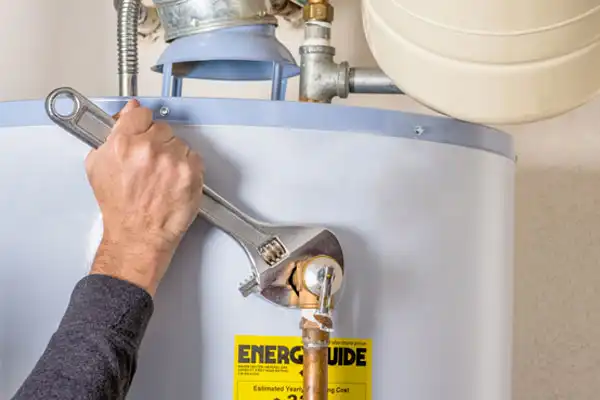
Few things are more frustrating than stepping into a shower only to have your water stay lukewarm or run out of hot water too fast. Hot water is one of those everyday comforts you don’t think twice about—until it’s suddenly gone.
When your water heater starts acting up, the big question comes fast: should you pay for another repair, or is it finally time to replace the whole unit? Making the right call isn’t always simple, especially when the signs of trouble start small.
This guide will walk through five key warning signs that your water heater is nearing the end of its life. Knowing what is repairable and what isn’t will help you make a smart decision now, instead of dealing with a cold-water emergency later.
Sign 1: The Age of Your Water Heater
Like every appliance in your home, water heaters have a natural lifespan. For standard tank-style water heaters, it’s usually between 8 and 12 years.
As a unit ages, internal parts wear out, sediment builds up, and the risk of failure increases. Even if an older unit is still technically “working,” it may be running less efficiently, costing you more on your energy bills, and holding the potential for a sudden leak.
If your water heater is more than 10 years old, it’s worth thinking about replacement rather than repair. Proactive planning gives you control, instead of waiting for a breakdown that forces an emergency decision.
Sign 2: Strange Noises from the Tank
A water heater should operate quietly. If you start to hear banging, rumbling, popping, or crackling, that’s a red flag.
These noises are usually caused by sediment buildup at the bottom of the tank. Over time, minerals in the water settle and harden. When the heating element tries to warm the water through that thick layer, it overheats and makes popping or rumbling sounds.
The problem isn’t just the noise—it’s what it means for the tank. Sediment buildup forces the system to work harder, wastes energy, and accelerates wear. Left unchecked, it can cause overheating, leaks, and early failure of the tank itself.
The good news is that routine tune-ups and flushes can help reduce this sediment, restoring efficiency and extending the life of your water heater. If your system is younger and otherwise in good condition, maintenance and minor repairs may solve the problem.
Sign 3: Water Leaks Around the Base
If you notice water pooling around the base of your water heater, it’s time to act. A small leak might seem minor, but when it comes from the tank itself, it almost always signals a critical problem.
Most often, leaks at the base mean the tank has corroded from the inside out. Unfortunately, once the metal lining of the tank is compromised, it can’t be repaired. At that point, replacement is the only safe option.
There is one exception: if the water is leaking from a connection, valve, or fitting, a repair may solve the problem. But leaks directly from the tank are a sign your water heater has reached the end of its life.
Sign 4: Rusty or Discolored Hot Water
When you turn on the hot tap and rusty or discolored water comes out, it’s more than just unpleasant—it’s a sign of trouble inside your system.
This usually means the tank itself is starting to corrode. Water heaters are designed with an anode rod, a part that attracts corrosion to protect the tank. Once the anode rod is depleted, the lining of the tank becomes vulnerable. That’s when rust starts to show up in your water, often accompanied by a metallic smell or taste.
Corrosion weakens the tank and can eventually cause it to rupture. If you’re seeing rusty water from the hot side of your plumbing, replacement is usually the smartest option.
Sign 5: Inconsistent or No Hot Water
A water heater’s main job is to deliver a steady supply of hot water. When it can’t do that anymore, it’s a sign that something is seriously wrong.
If your water isn’t as hot as it used to be, or if the supply runs out faster than normal, it could mean:
- A failing heating element
- A faulty thermostat
- Heavy sediment buildup in the tank
Some of these issues can be repaired, especially if it just a part that needs replacing. But if your unit is already older, those repairs may just be temporary fixes on a system that’s costing you more every month. In many cases, a replacement will save you money and frustration in the long run.
The Repair vs. Replace Decision
So how do you decide? A simple rule of thumb is this: if the repair will cost more than 50% of the price of a new unit, replacement is usually the better investment.
Even if the repair is less, consider the age of the system. Putting new parts into an old, inefficient tank may only buy you a little time. A new water heater, on the other hand, gives you:
- Improved energy efficiency and potentially lower monthly bills
- Reliable performance with fewer breakdowns
- A manufacturer’s warranty for added protection
- Peace of mind that hot water will always be there when you need it
Stay Ahead of a Cold Surprise
Hot water isn’t a luxury—it’s part of daily life. By paying attention to the signs—age, strange noises, leaks, rusty water, or inconsistent temperatures—you can plan ahead and avoid the shock of a cold shower or a flooded basement.
A proactive decision is always better than an emergency one. The best way to know for sure is with a professional inspection. If you’re worried about your water heater or simply want peace of mind before the colder months, the team at Precision can help. We’ll let you know if a repair will keep your system going a bit longer or if a replacement is the smarter choice.
Contact us today to schedule your water heater assessment or get a free quote on a new installation. With expert guidance and dependable service, you’ll have the hot water you need—without the uncertainty.