

When the Pentagon announced its FORTRESS America initiative in September 2026, one of its central goals was to strengthen military installations by making them less dependent on outside infrastructure, including the commercial electrical grid.
Although the program focuses on military readiness, it raises an important question for homeowners along Colorado’s Front Range:
If your home lost power for an extended period, which essential systems would stop working, and how prepared would you be?
For residents in Boulder, Longmont, Louisville, Denver, and surrounding communities, power outages can happen during winter storms, strong winds, severe thunderstorms, and other events that disrupt electrical service.
Understanding how your home’s systems depend on electricity can help you make informed decisions about backup power and household preparedness.
What Is the Pentagon’s FORTRESS America Initiative?
Announced on September 30, 2026, FORTRESS America is an initiative focused on strengthening the resilience of military installations and critical infrastructure.
One of its priorities is independent energy generation, allowing military bases to maintain essential operations when normal electrical service is unavailable.
The initiative also addresses supply chains, strategic reserves, and infrastructure protection.
FORTRESS America is not a residential program, and its announcement does not mean a widespread power outage is imminent.
However, the principle of identifying critical systems and planning for interruptions applies to households as well.
Why Colorado Homeowners Should Think About Power Outage Preparedness
Colorado’s Front Range experiences several conditions that can disrupt electrical service.
High winds can damage power lines and other electrical equipment. Winter storms can introduce snow, ice, and freezing temperatures, while thunderstorms may cause additional disruptions during warmer months.
Utilities may also occasionally shut off power proactively during high wildfire-risk conditions.
For homeowners, the effects of an outage often depend on the season and which household systems require electricity.
Heating Systems May Stop Working
Even a natural gas furnace typically requires electricity to operate its blower motor, ignition system, and electronic controls.
Heat pumps depend on electricity as their primary energy source, while some boilers require electrically powered circulation pumps.
When these systems stop working during freezing weather, indoor temperatures can fall.
Extended periods without heating may also increase the risk of frozen plumbing, especially in poorly insulated or unheated areas.
Refrigeration and Food Storage Become Concerns
Without electricity, refrigerators and freezers gradually lose their ability to maintain safe food temperatures.
Federal emergency preparedness guidance generally estimates that a closed refrigerator can keep food cold for about four hours. A full unopened freezer may maintain temperatures for approximately 48 hours.
Longer outages may result in spoiled food and additional household expenses.
Well Pumps and Sump Pumps May Lose Power
Some Front Range properties rely on private wells, sump pumps, or other electrically powered plumbing equipment.
When electrical service is interrupted, these systems may stop operating.
For homes with basement drainage concerns, an outage during heavy rainfall can be especially inconvenient if the sump pump has no backup system.
How Can Colorado Homeowners Prepare for an Extended Outage?
Preparation begins by identifying which household systems matter most.
1. Prioritize Essential Electrical Equipment
Make a list of the appliances and equipment you would need during an outage.
Depending on your home, this may include:
- Furnace, boiler, or heat pump components
- Refrigerators and freezers
- Sump pumps or well pumps
- Essential lighting
- Phone and communication equipment
- Medically necessary electrical devices
Once you understand your priorities, you can better evaluate available backup power options.
2. Consider a Home Backup Generator
A Backup generator installation can provide temporary electricity when utility power becomes unavailable.
Portable generators are generally used to power selected appliances or circuits. They require safe outdoor operation and suitable electrical connections.
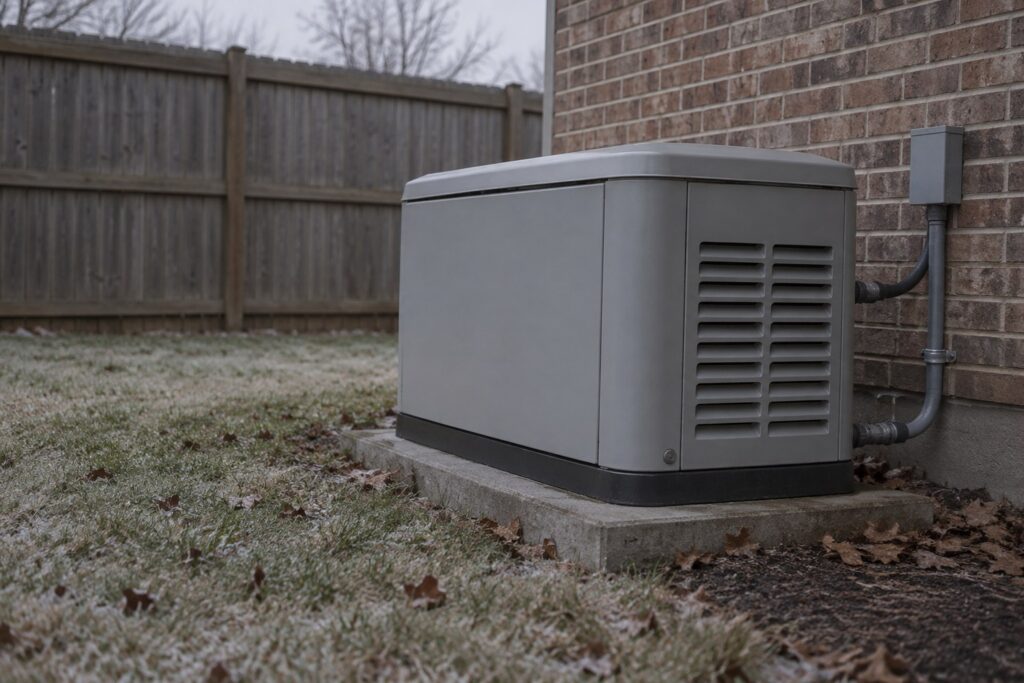
Permanently installed standby generators can automatically supply backup electricity through an approved transfer system.
Depending on their size, standby generators may support essential circuits or a larger portion of a home’s electrical demand.
The appropriate generator depends on your electrical requirements, available fuel, installation conditions, and budget.
3. Review Your Electrical Panel and Connections
A home’s electrical system plays an important role in backup power planning.
An electrician can evaluate your electrical panel, identify potential safety concerns, and determine what additional equipment might be necessary for a generator installation.
Generator systems must be connected correctly to prevent dangerous backfeeding into utility lines.
Never attempt to power your home’s electrical system by plugging a portable generator into a standard wall outlet.
4. Protect Heating and Plumbing Systems
Homeowners should know how their heating equipment operates and which components need electricity.
During colder months, identify plumbing that may be particularly vulnerable to freezing temperatures.
Insulating exposed pipes, sealing drafts, and understanding how to shut off the main water supply can help reduce potential problems.
If indoor temperatures become unsafe, follow local emergency guidance and prioritize moving to a safe, heated location.
5. Prepare Beyond Backup Power
A practical emergency plan should also include:
- Drinking water and basic household supplies
- Flashlights and spare batteries
- Charged communication devices
- Necessary medications
- Battery-powered carbon monoxide detectors
- Access to utility alerts and local emergency information
Backup electricity is valuable, but it is only one part of preparing for an extended disruption.
Does Every Colorado Home Need a Whole-Home Generator?
Not necessarily.
Some households may only need limited backup electricity for refrigeration, communications, and essential appliances.
Others may want enough capacity to operate heating equipment, well pumps, or additional electrical circuits.
Portable generators, essential-circuit standby systems, and larger whole-home generators offer different levels of coverage.
The best choice depends on what you need to power, how much electricity the equipment requires, and the budget available.
A qualified electrician can explain the options and help determine which approach makes sense.
Prepare Your Front Range Home With Precision
The Pentagon’s FORTRESS America initiative illustrates the importance of knowing which systems must keep operating during an interruption.
For Colorado homeowners, that starts with understanding the electrical needs of heating, plumbing, refrigeration, and other essential equipment.
Precision Plumbing Heating, Cooling & Electric provides electrical, heating, cooling, plumbing, and home generator services throughout Boulder and the surrounding Front Range.
Whether you’re exploring generator installation, evaluating your electrical panel, or preparing essential household systems for winter, our team can help explain your options.
Contact Precision Plumbing Heating, Cooling & Electric to discuss backup power and electrical preparedness for your home.